North and South Korea Summit signals potential for peace and unity.
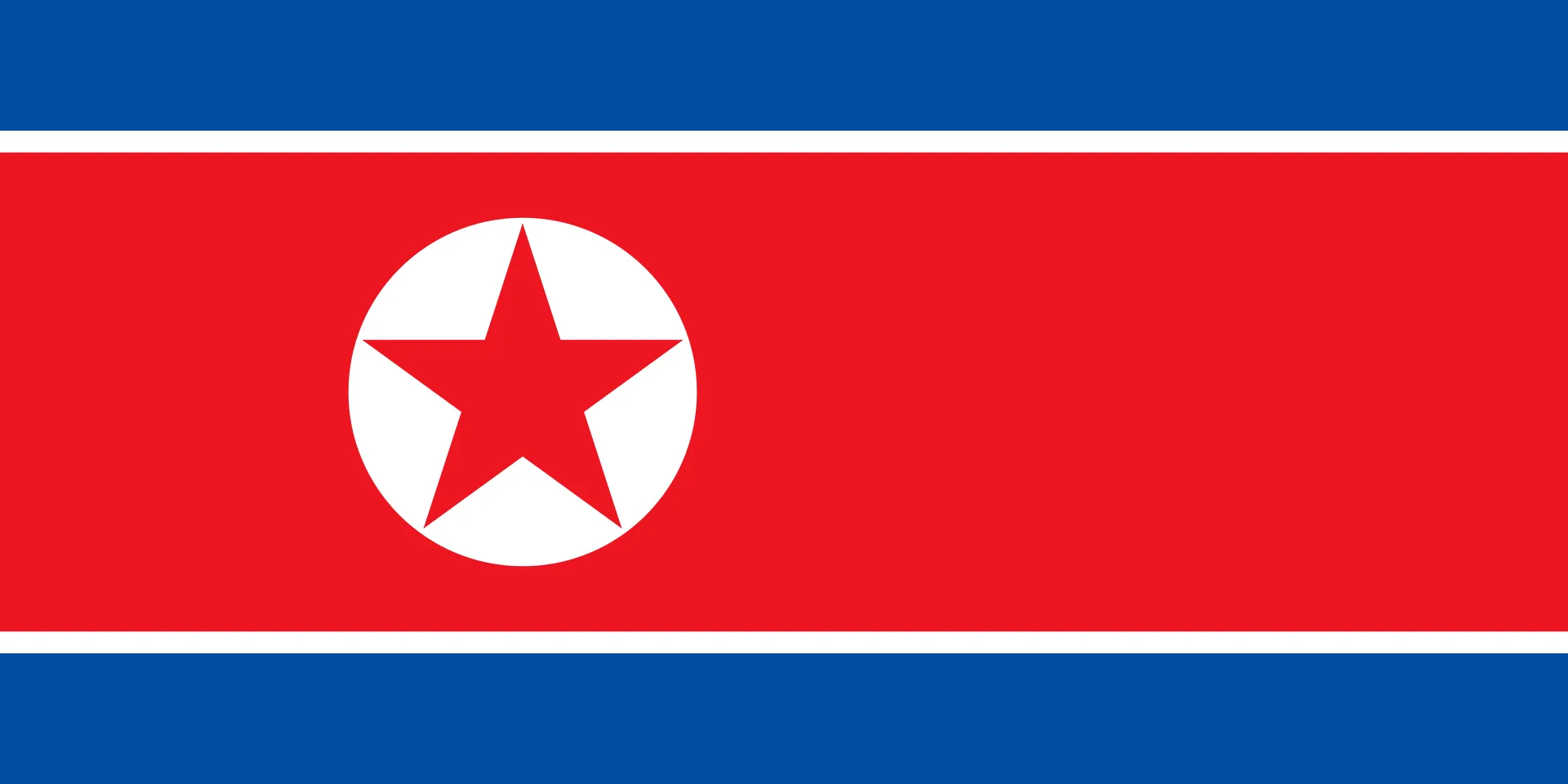
North Korea
Political
4 min read
Updated By: History Editorial Network (HEN)
Published:
Updated:
The formal summit between North and South Korea, where both countries issued a joint statement, represented a pivotal development in inter-Korean relations. Building up to this moment, the Korean Peninsula had been divided since the end of World War II, with the North and South being separated by a demilitarized zone established after the Korean War. There had been ongoing conflict and tension between the two sides for nearly two decades.
At the summit, representatives from both Pyongyang and Seoul engaged in direct talks, focusing on various mutual concerns, including the desire for peace and reunification. The resulting joint statement outlined three main principles: independence, peaceful reunification, and national unity. This event was notable as it marked the first direct, official contact and agreement between the two governments since the division.
The impact of the joint statement was immediate, as it generated a sense of cautious optimism on the Korean Peninsula and among international observers. It signalled a potential thaw in relations and laid the groundwork for future negotiations and engagements. This move was seen as a step towards reducing military tensions and fostering a collaborative approach for resolving long-standing issues between the two Koreas.
The joint statement included agreements on implementing a non-aggression pact, exchanging cultural and economic delegations, and striving towards peaceful dialogue. Although the progress following this summit was gradual and often fraught with challenges, the significance of initiating direct communication was clear.
#NorthKorea #SouthKorea #InterKoreanRelations #PeaceTalks #Diplomacy #Reunification #ColdWar
Primary Reference
North Korea (08/08)
Explore the Life Moments of
 AI Twin