Inchon Landing Shifts Momentum in Korean Conflict
North Korea
Military Tactics
Korean Conflict
4 min read
Updated By: History Editorial Network (HEN)
Published:
Updated:
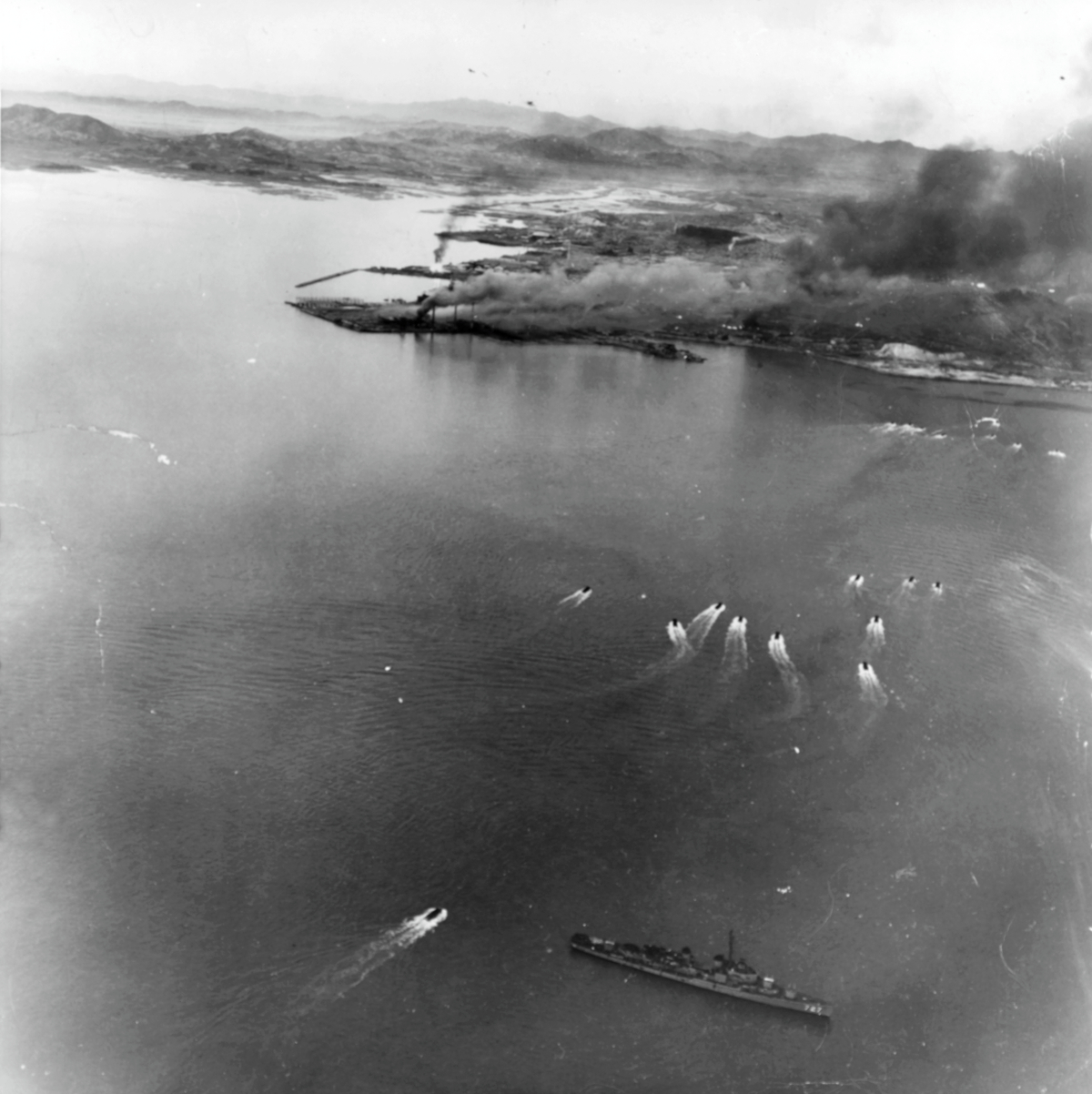
The landing of UN forces at Inchon marked a critical turning point during the Korean conflict. Led by General Douglas MacArthur, this strategic and surprising amphibious assault aimed to cut off North Korean supply lines and provide a pathway for recapturing the South Korean capital, Seoul.
Prior to this maneuver, the conflict had seen North Korean forces pushing South Korean and UN troops into a defensive perimeter around the port city of Pusan. The dire situation necessitated a bold counteroffensive. Inchon was chosen for its strategic location despite its challenges, including treacherous tidal conditions and well-defended shores.
On the day of the assault, the UN forces, primarily constituted of United States Marines and South Korean troops, initiated their attack with a preliminary bombardment followed by landings at key locations. The element of surprise played a significant role, as the North Korean forces were unprepared for an assault at such a challenging point. Within two weeks, UN and South Korean forces had recaptured Seoul, drastically shifting the momentum of the war.
The Inchon landing resulted in significant casualties, with estimates of North Korean troops killed or captured in the actions exceeding 14,000. The operation showcased the effectiveness of combined arms tactics and highlighted the strategic importance of flexibility and surprise in military operations.
#MoofLife #MilitaryTactics #KoreanConflict #UNForces #InchonLanding #StrategicWarfare #GeneralMacArthur
Primary Reference
Korean War - History - Inchon Landing (Operation Chromite)
Explore the Life Moments of
 AI Twin