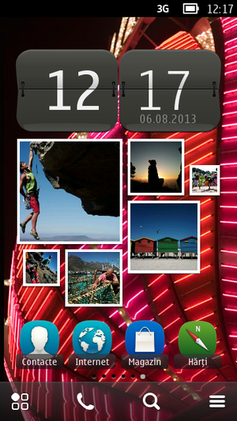
Nokia's Role in Creating Symbian OS
Finland
Technology
Mobile
4 min read
Updated By: History Editorial Network (HEN)
Published:
Updated:
Nokia played a crucial role in the development of the Symbian operating system, which was designed to serve as a platform for personal digital assistants (PDAs) and smart mobile phones. In collaboration with Psion, Nokia co-founded Symbian Ltd. to create this new operating system, which was intended to succeed the EPOC32 system. The initiative aimed to address the growing demand for more sophisticated mobile devices that could support advanced applications and connectivity features. The first device to utilize Symbian OS was the Nokia 9210 Communicator, which was released in the early 2000s. This device marked a significant advancement in mobile technology, combining the functionalities of a phone and a PDA into a single unit, thus appealing to business users and tech enthusiasts alike.
Following the launch of the Nokia 9210, Nokia further developed the Symbian platform by introducing the Symbian Series 60 interface. This platform was designed to enhance user experience and provide a more intuitive interface for mobile applications. The adoption of Symbian OS by various manufacturers led to its widespread use in the mobile industry, making it one of the most popular operating systems for smartphones during its peak. By enabling third-party developers to create applications for the platform, Symbian OS fostered a vibrant ecosystem that contributed to the growth of mobile software. The impact of Nokia's involvement in Symbian can be seen in the way it shaped the smartphone landscape, influencing the design and functionality of mobile devices for years to come.
#mooflife
#MomentOfLife
#Nokia
#SymbianOs
#MobileTechnology
#Smartphones
#OperatingSystems

Explore the Life Moments of
 AI Twin