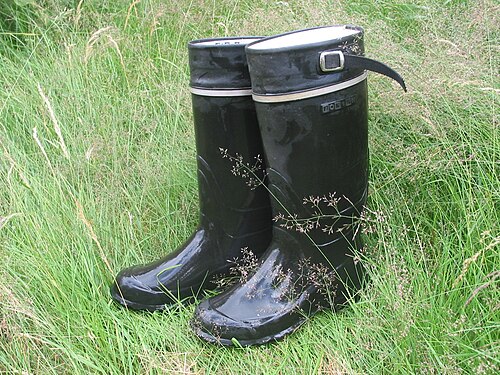
Nokia Ab entered into a partnership with the Finnish Rubber Works and Kaapelitehdas
Finland
3 min read
Updated By: History Editorial Network (HEN)
Published:
Nokia Ab entered into a partnership with Finnish Rubber Works (Suomen Gummitehdas) and Kaapelitehdas (the Finnish Cable Works) in the early 20th century, creating a closely linked industrial group that would later form the foundation of the modern Nokia Corporation. The collaboration began in 1922, when the three companies established formal cooperative arrangements, including shared management structures and coordinated business strategies, while remaining legally separate entities.
Each company contributed distinct industrial capabilities to the partnership. Nokia Ab, originally a pulp and paper manufacturer founded in 1865, brought experience in forestry-based production. Finnish Rubber Works, established in 1898, specialized in rubber products such as tires, footwear, and industrial goods. Kaapelitehdas, founded in 1912, focused on electrical cables and related infrastructure. Their cooperation allowed for shared resources, unified leadership, and cross-industry support during a period of industrial growth in Finland.
This alliance continued for several decades, strengthening ties between the companies until they were formally merged in 1967 to create Nokia Corporation. The merger combined expertise in paper, rubber, and electrical engineering, providing the structural basis for Nokia’s later diversification into electronics and telecommunications.
Primary Reference
History_of_Nokia

Explore the Life Moments of
 AI Twin