Nobel Prize Winners: Vitamin K's Impact on Blood Coagulation and Health
Sweden
Science
Health
4 min read
Updated By: History Editorial Network (HEN)
Published:
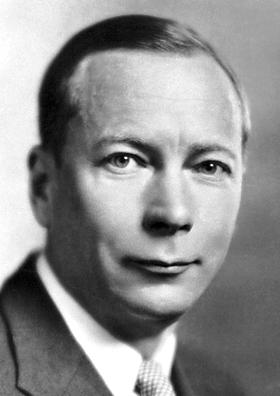
Henrik Dam and Edward A. Doisy were honored with the Nobel Prize in Physiology or Medicine for their groundbreaking work on vitamin K. Dam, a Danish biochemist, conducted research on the effects of cholesterol-free diets in chickens, leading to the observation of hemorrhaging and the identification of an essential dietary factor absent in the diet. This factor, later named vitamin K (from the German word "Koagulationsvitamin"), was crucial for blood coagulation.
Meanwhile, American biochemist Edward A. Doisy made significant contributions by determining the exact chemical structure of vitamin K, thereby enabling its synthesis. This was vital, as synthetic production facilitated further research and widespread medical application.
Vitamin K's discovery and chemical elucidation revolutionized the understanding of blood coagulation mechanisms. It played a crucial role in treating and preventing bleeding disorders, particularly hemorrhagic disease of the newborn and conditions caused by vitamin K deficiency. The work of Dam and Doisy laid the foundation for subsequent research into fat-soluble vitamins and their roles in human health.
Their achievements has broad-ranging implications. The ability to synthesize vitamin K marked significant progress in biochemistry and pharmacology. It also underscored the importance of vitamins in maintaining health and preventing disease, influencing dietary recommendations and public health policies.
#NobelPrize #Physiology #Medicine #VitaminK #Biochemistry #MoofLife
Primary Reference
Physiology or Medicine 1943 - Presentation Speech - NobelPrize.org
Explore the Life Moments of
 AI Twin