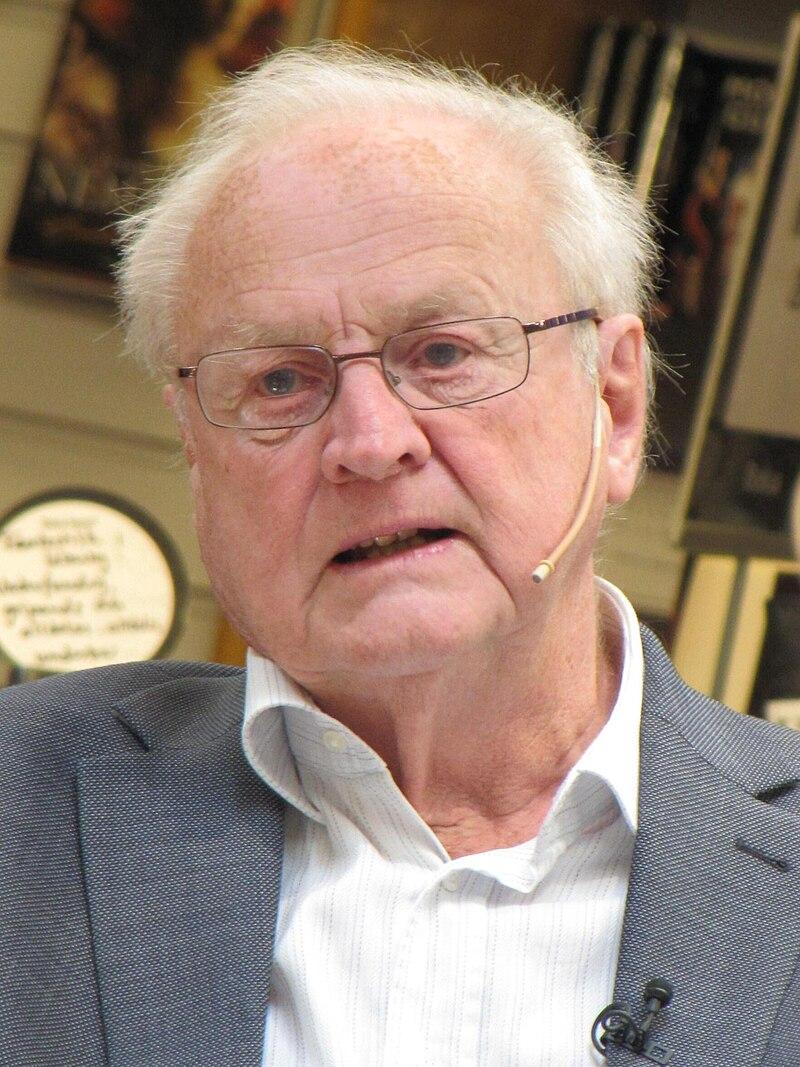
Nobel Prize Winners Revolutionize Neuroscience and Medicine with Signal Transduction Discoveries.
Sweden
Science
Medicine
4 min read
Updated By: History Editorial Network (HEN)
Published:
Three scientists were awarded the prestigious Nobel Prize in Physiology or Medicine for their pioneering research on signal transduction in the nervous system. Arvid Carlsson, Paul Greengard, and Eric Kandel made significant contributions that enhanced the understanding of how signals are transmitted in the nervous system, impacting scientific and medical fields.
Arvid Carlsson's work led to the discovery that dopamine is a crucial neurotransmitter involved in motor control. His findings were instrumental in developing treatments for Parkinson's disease, transforming the approach to this debilitating condition.
Paul Greengard's research uncovered the complex mechanisms of how neurotransmitters work at the molecular and cellular levels. He identified key proteins involved in signal transduction, which helped elucidate how these processes influence various brain functions. His work has implications for understanding and treating mental health conditions, such as depression and schizophrenia.
Eric Kandel's studies focused on how memory is stored in the brain. He demonstrated that learning and memory are linked to changes in synaptic strength, a concept central to neuroscience. His research provided valuable insights into the cellular basis of memory, paving the way for advancements in cognitive science and treatments for memory-related disorders.
Together, their discoveries have had far-reaching implications for neuroscience and medicine. The advancements in understanding signal transduction have influenced the development of new treatments for neurological and psychiatric disorders, improving the quality of life for many individuals.
#MoofLife #NobelPrize #Neuroscience #MedicalResearch #ParkinsonsDisease #MentalHealth #MemoryStudies
Primary Reference
Award ceremony speech - NobelPrize.org
Explore the Life Moments of
 AI Twin