Nobel Prize Winners: G-Proteins Revolutionize Cell Signaling, Impacting Medicine and Pharmaceuticals.
Sweden
Science
Medical Science
5 min read
Updated By: History Editorial Network (HEN)
Published:
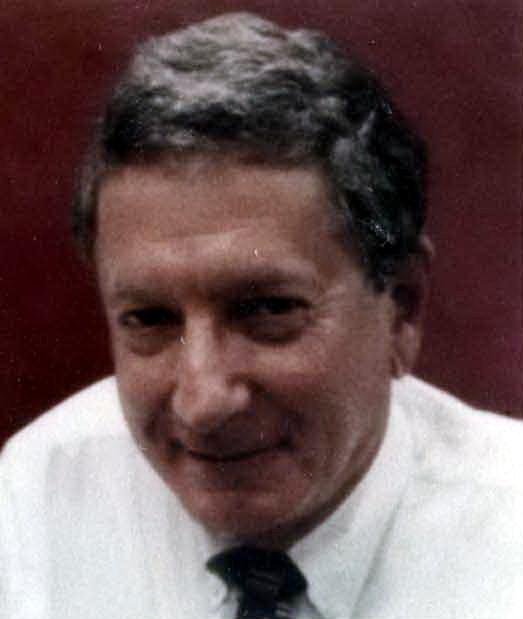
Alfred G. Gilman and Martin Rodbell were recognized with the Nobel Prize in Physiology or Medicine for their groundbreaking discovery of G-proteins and their significant role in cell signal transduction. This award was a milestone in biomedical research, highlighting the intricate mechanisms of cellular communication that underlie numerous physiological processes.
Background: G-proteins, or guanine nucleotide-binding proteins, function as molecular switches inside cells. They play a critical role in transmitting signals from outside the cell to the interior, influencing everything from sensory perception to hormonal responses. Martin Rodbell initially proposed the concept of G-proteins, suggesting their involvement in signal transduction. Alfred Gilman subsequently isolated the first G-protein and demonstrated its role in transmitting signals from neurotransmitters and hormones.
Impact: The discovery of G-proteins has profoundly influenced pharmaceutical development and healthcare. Understanding how G-proteins work has led to the creation of medications targeting specific pathways, resulting in treatments for conditions such as heart disease, addiction, and cancer. It has furthered comprehension of neurotransmission and sensory perception, enhancing the development of drugs aimed at managing mental health and neurological disorders.
Statistics and Facts: G-proteins are involved in numerous cell signaling pathways. Over 800 G-protein-coupled receptors (GPCRs) are encoded by the human genome, making them one of the largest and most diverse protein families. About one-third of all marketed drugs target these pathways, underscoring their medical significance. The laureates' findings have elucidated aspects of cell biology, signaling cascades, and receptor functions, fundamentally advancing the field of molecular cell biology.
Conclusion: The work of Alfred G. Gilman and Martin Rodbell provided essential insights into the molecular mechanisms of cell signaling. Their contributions continue to influence medical research, drug development, and therapeutic strategies. This recognition by the Nobel Committee underscores the transformative impact of their research on medicine and biology.
#CellBiology #GProteins #SignalTransduction #NobelPrize #Biochemistry #MoofLife
Primary Reference
Alfred G. Gilman - Wikipedia
Explore the Life Moments of
 AI Twin