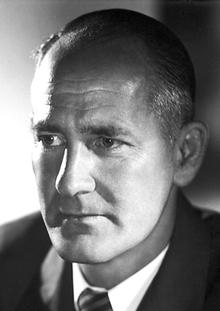
Nobel Prize winners advance genetics through groundbreaking discoveries in gene regulation and bacterial genetics.
Sweden
Science
Medicine
4 min read
Updated By: History Editorial Network (HEN)
Published:
The Nobel Prize in Physiology or Medicine was awarded to George Beadle, Edward Tatum, and Joshua Lederberg for their groundbreaking contributions to genetics and molecular biology. Beadle and Tatum were recognized for their pioneering work on gene regulation of chemical reactions, demonstrating through their experiments with Neurospora crassa that genes directly control metabolic processes. These findings were foundational in establishing the One Gene-One Enzyme hypothesis, which posits that each gene encodes a specific enzyme, fundamentally altering our understanding of genetic function.
Joshua Lederberg was honored for his discoveries related to bacterial genetic recombination and organization. His research revealed that bacteria can exchange genetic material through processes such as conjugation, transformation, and transduction, proving that bacteria possess a more complex genetic makeup than previously thought. Lederberg's work laid the groundwork for the field of bacterial genetics and had a significant impact on medical microbiology, enabling a better understanding of bacterial resistance to antibiotics and the mechanisms of pathogenicity.
These contributions collectively advanced the field of genetics by providing insights into the mechanisms of gene control and genetic recombination, thereby opening new avenues of research and technological development. Their discoveries have had lasting impacts on medicine, agriculture, and biotechnology, influencing the direction of scientific inquiry and practical applications in various domains.
#Genetics #MolecularBiology #NobelPrize #ScientificDiscovery #Medicine #MoofLife
Primary Reference
Nobel Prize | Stanford Report
Explore the Life Moments of
 AI Twin