Nobel Prize awarded for Prostaglandin Discoveries
Sweden
Science
Medicine
3 min read
Updated By: History Editorial Network (HEN)
Published:
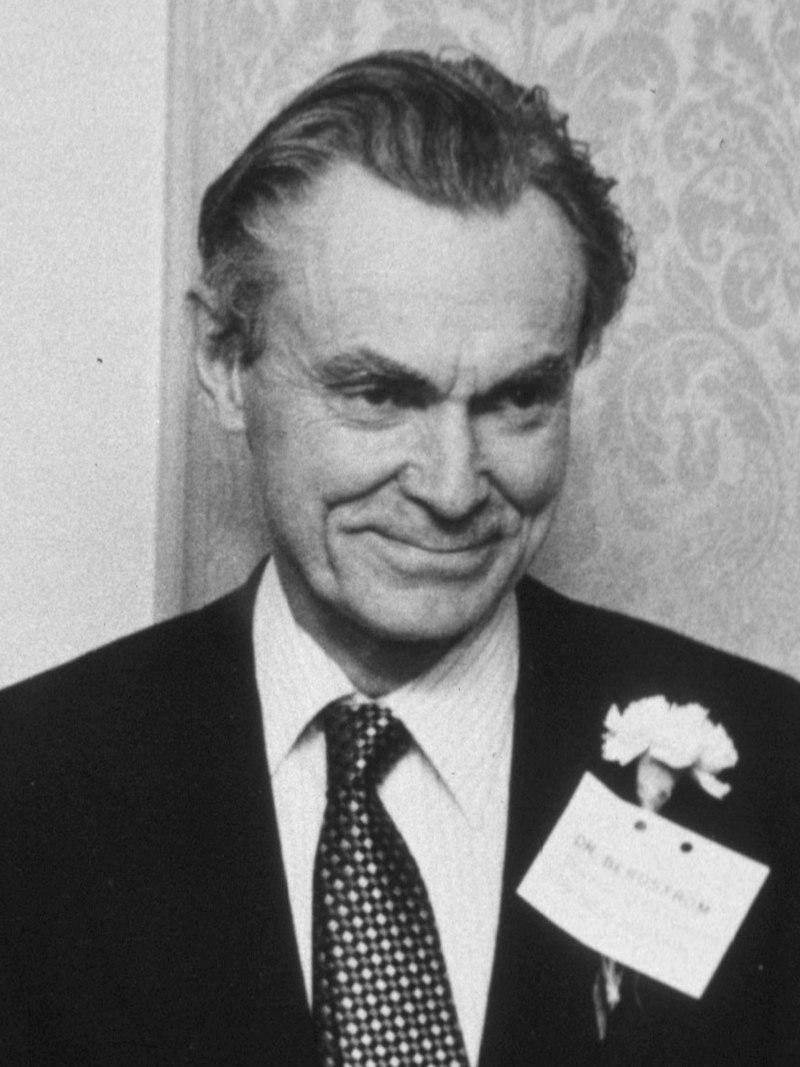
The Nobel Prize in Physiology or Medicine was awarded to Sune K. Bergström, Bengt I. Samuelsson, and John R. Vane for their discoveries concerning prostaglandins and related biologically active substances. Their work helped to identify and understand the role of these compounds in the human body, significantly impacting the field of biomedical research and clinical medicine.
Prostaglandins are lipid compounds that exhibit a wide range of physiological functions. Bergström and Samuelsson's research elucidated the chemical structure and pathways of these molecules, while Vane discovered the mechanism by which aspirin and similar drugs inhibit their synthesis. This breakthrough contributed to the development of new treatments for conditions like inflammation, cardiovascular diseases, and ultimately led to improvements in pain management therapies.
The award highlighted the vital contributions of these researchers to medical science, underscoring the importance of basic research in understanding human physiology and developing therapeutic interventions. Their work on the molecular pathways of prostaglandins and related substances paved the way for subsequent studies into other eicosanoids, broadening the appreciation for the complexity of biochemical pathways involved in health and disease.
#MoofLife #NobelPrize #Physiology #Medicine #BiomedicalResearch #ScientificDiscovery
Primary Reference
Sune Bergström Biography - Facts, Childhood, Family Life ...
Explore the Life Moments of
 AI Twin