Nobel Laureates Revolutionize Infectious Disease Treatment with Avermectin and Artemisinin
Sweden
Science
Global Health
4 min read
Updated By: History Editorial Network (HEN)
Published:
Updated:
William C. Campbell and Satoshi Ōmura were awarded the Nobel Prize in Physiology or Medicine for their significant contributions to combating roundworm infections. They discovered avermectin, which has led to the development of ivermectin, a drug that has drastically reduced the incidence of diseases such as river blindness and lymphatic filariasis. This discovery has profoundly impacted millions of lives, especially in impoverished and tropical regions where such parasitic diseases are prevalent.
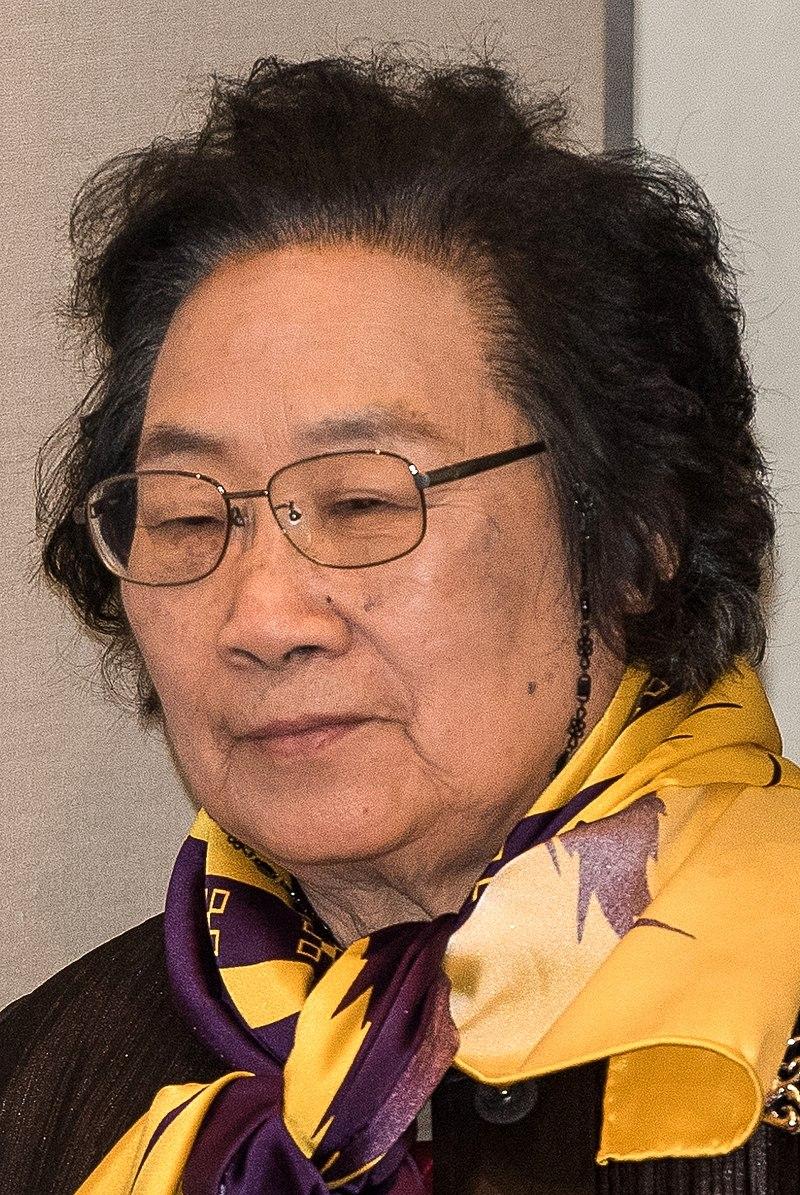
Concurrently, Tu Youyou received the Nobel Prize in Physiology or Medicine for her discovery concerning a novel therapy against malaria. She identified artemisinin, a compound that has become the cornerstone of malaria treatment. Her work stemmed from a systematic investigation of traditional Chinese medicine, leading to a breakthrough in combating a disease that affects millions worldwide.
The recognition of these scientists underscores the importance of both modern scientific research and traditional medicine as complementary approaches in the fight against infectious diseases. The discoveries have collectively improved health outcomes and quality of life globally, undeniably influencing medical practices and public health policies.
These breakthroughs highlight the collaborative and interdisciplinary efforts essential in medical research and development, stressing the continuing need for innovation to tackle persistent global health challenges.
#MoofLife #NobelPrize #MedicalResearch #GlobalHealth #PublicHealth #InfectiousDiseases #ScientificInnovation
Explore the Life Moments of
 AI Twin