Nobel Laureates Pioneered Understanding of Neurotransmitter Functions in Nerve Terminals
Sweden
Science
Neuroscience
4 min read
Updated By: History Editorial Network (HEN)
Published:
Updated:
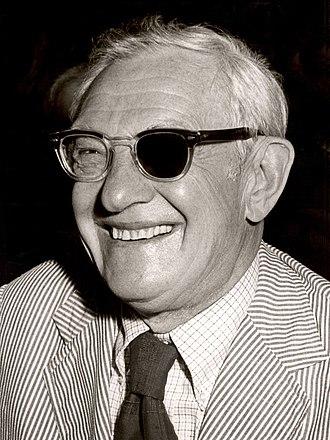
Bernard Katz, Ulf von Euler, and Julius Axelrod were recognized with the Nobel Prize in Physiology or Medicine for their groundbreaking research on humoral transmitters in nerve terminals. Their collective work significantly elucidated the mechanisms of storage, release, and inactivation of these biochemical messengers, advancing the understanding of nervous system functioning.
Bernard Katz's research revealed how neurotransmitters are stored in vesicles within nerve endings and how their release is precisely regulated by calcium ions. Ulf von Euler identified noradrenaline as a principal neurotransmitter in the peripheral nervous system, contributing to the understanding of its physiological roles. Julius Axelrod's work focused on the molecular mechanisms by which neurotransmitters are inactivated, particularly uncovering how enzymes like monoamine oxidase and catechol-O-methyl transferase play critical roles in this process.
The contributions of Katz, von Euler, and Axelrod laid the foundation for neuroscience research, influencing subsequent studies on synaptic transmission and neurochemistry. Their discoveries are pivotal in developing treatments for neurological and psychiatric disorders, demonstrating the practical implications of their research.
The scientific community continues to build upon their foundational work, advancing the knowledge of how the brain and nervous system operate. Their achievements underscore the importance of basic research in understanding complex biological systems and improving human health.
#NeurotransmitterResearch #NobelPrize #Physiology #Medicine #Neuroscience #Biochemistry #MoofLife
Primary Reference
Dr Julius Axelrod | European Heart Journal | Oxford Academic
Explore the Life Moments of
 AI Twin