Nobel Laureates Discover Nitric Oxide's Cardiovascular Role in Physiology and Treatment
Sweden
Science
Medical
3 min read
Updated By: History Editorial Network (HEN)
Published:
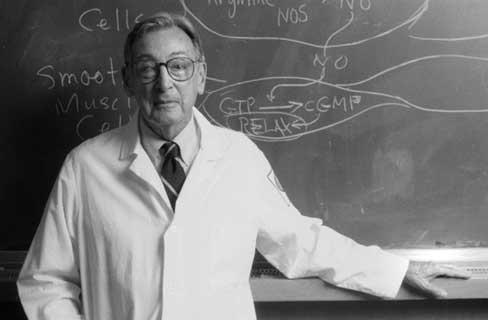
Robert F. Furchgott, Louis J. Ignarro, and Ferid Murad were jointly recognized for their discoveries concerning nitric oxide's function as a signaling molecule in the cardiovascular system. Their profound research unraveled the mechanisms through which nitric oxide operates, significantly advancing the understanding of cardiovascular physiology.
Furchgott's initial experiments demonstrated that endothelial cells produce a factor that relaxes blood vessels. This discovery, known as endothelium-derived relaxing factor (EDRF), laid the groundwork for further investigation. Ignarro and Murad expanded upon this foundation. Murad found that nitric oxide was involved in the action of nitroglycerin and other vasodilators. Ignarro elucidated that EDRF was, in fact, nitric oxide. Together, these findings highlighted nitric oxide's critical role in regulating blood vessel dilation, blood pressure control, and overall cardiovascular health.
Their work has had widespread implications in medical science, particularly in the development of treatments for heart disease, hypertension, and erectile dysfunction. The understanding of nitric oxide as a signaling molecule has also opened new pathways for pharmacological research, significantly impacting the therapeutic landscape. The discoveries have been cited in countless research papers and have driven advancements in both clinical and experimental cardiology.
#MoofLife #NobelPrize #CardiovascularResearch #NitricOxide
Primary Reference
Nobel Prize Awarded to Scientists for Nitric Oxide Discoveries ...
Explore the Life Moments of
 AI Twin