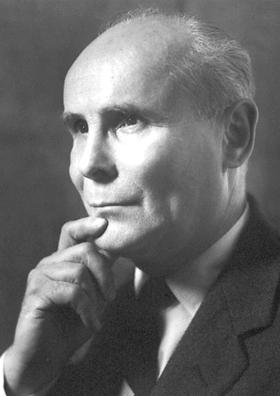
Innovations in Heart Catheterization and Circulatory Pathology by Cournand, Forssmann, and Richards.
Sweden
Science
4 min read
Updated By: History Editorial Network (HEN)
Published:
André F. Cournand, Werner Forssmann, and Dickinson W. Richards were recognized for their groundbreaking work in heart catheterization and circulatory pathology. Their collaboration and individual contributions significantly advanced medical understanding of the heart and its functions.
Werner Forssmann initiated the field of heart catheterization by performing a self-experiment. Forssmann inserted a catheter into his own heart, demonstrating the procedure's potential for diagnostic purposes. Despite the initial skepticism, his pioneering effort laid the foundation for future developments.
André F. Cournand and Dickinson W. Richards built upon Forssmann’s work. They refined the technique, making it a reliable method for studying heart conditions. Through systematic research and experimentation, Cournand and Richards applied catheterization to measure cardiac output and blood gas levels. Their work provided vital insights into heart diseases and contributed to the development of modern cardiology.
This achievement greatly impacted medical diagnostics and treatment. Heart catheterization became an essential procedure in cardiology, helping diagnose conditions like congenital heart defects and coronary artery disease. It also paved the way for therapeutic interventions, such as angioplasty and stent placement.
The collaborative efforts of these scientists demonstrated the importance of innovation and perseverance in medical research. Their contributions not only advanced scientific knowledge but also improved patient care, saving countless lives through better diagnosis and treatment options.
#MoofLife #NobelPrize #HeartCatheterization #MedicalInnovation #Cardiology #ScientificAchievement
Primary Reference
Dickinson W. Richards – Nobel Lecture - NobelPrize.org
Explore the Life Moments of
 AI Twin