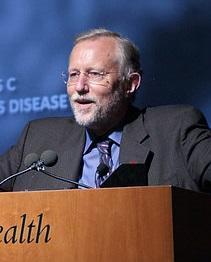
Groundbreaking Discovery of Hepatitis C Virus: Alter, Houghton, and Rice honored for research.
Sweden
Science
Global Health
4 min read
Updated By: History Editorial Network (HEN)
Published:
Harvey J. Alter, Michael Houghton, and Charles M. Rice were recognized for their groundbreaking discovery of the Hepatitis C virus. This discovery has had profound implications for the medical community and public health globally. Before this identification, the primary causes of chronic hepatitis, a major global health issue, remained largely unknown. Chronic hepatitis can lead to severe liver damage, including cirrhosis and liver cancer, affecting millions of individuals.
Harvey J. Alter's research in transfusion-associated hepatitis showed that a significant number of instances were neither Hepatitis A nor B, suggesting an unknown virus was responsible. Michael Houghton, using a novel molecular cloning approach, successfully isolated the genetic sequence of the new virus, known as Hepatitis C. Charles M. Rice provided the final piece by demonstrating that the cloned Hepatitis C virus could cause hepatitis, fulfilling the establishment of the virus's role in liver disease.
Their collective work led to the development of blood tests which have markedly reduced the risk of Hepatitis C virus transmission through blood transfusion. Additionally, it paved the way for the development of antiviral drugs, raising hopes of eliminating the virus globally. The World Health Organization estimates that 71 million people are affected globally with chronic Hepatitis C infection. With the advent of their discovery, effective treatments have become available, curing over 95% of treated cases, hence preventing the development of liver diseases.
#NobelPrize #Medicine #HepatitisC #VirusDiscovery #PublicHealth #MedicalResearch #MoofLife
Primary Reference
Discovery of Hepatitis C Virus: 2020 Nobel Prize in Medicine - PMC
Explore the Life Moments of
 AI Twin