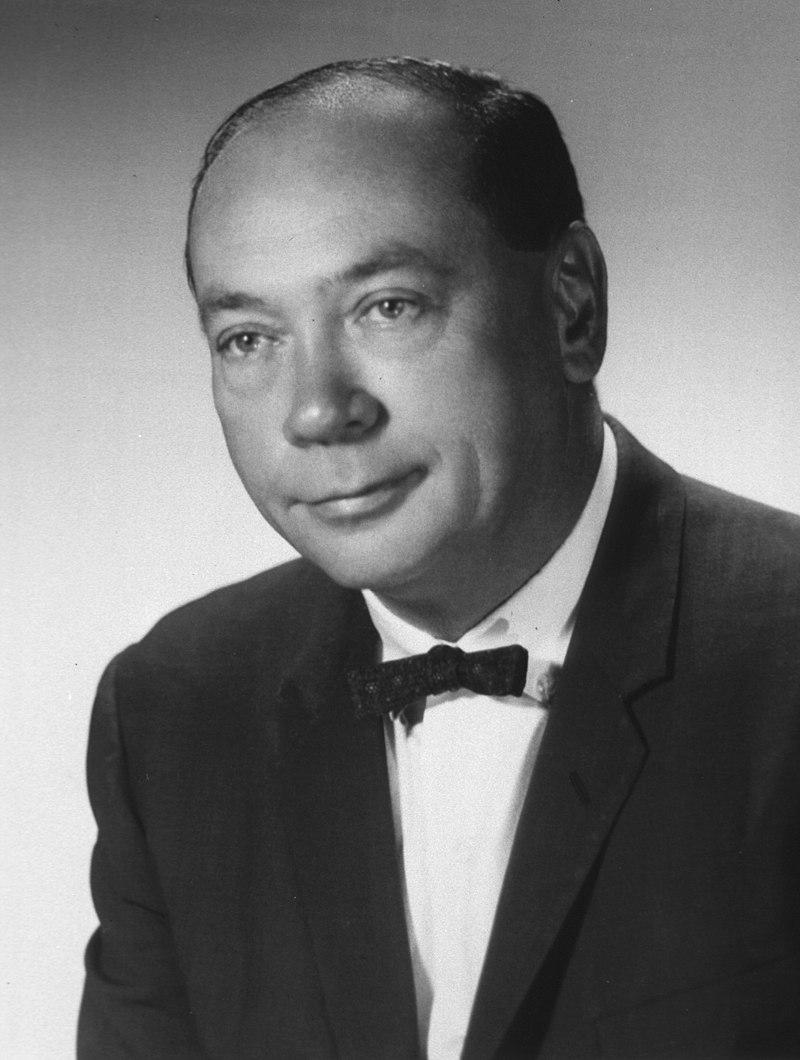
Earl W. Sutherland's Nobel Prize-Winning Discoveries in Hormone Action Mechanisms
Sweden
Science
Medical
4 min read
Updated By: History Editorial Network (HEN)
Published:
Earl W. Sutherland, Jr. received recognition for his groundbreaking discoveries in hormone action mechanisms. His work focused on the role of cyclic adenosine monophosphate (cyclic AMP) as a second messenger in cellular processes, significantly advancing the understanding of how hormones function at a biochemical level.
Before Sutherland's research, the mechanisms by which hormones triggered cellular responses were not well understood. Sutherland's studies demonstrated that hormones such as adrenaline did not directly act on their target cells but instead stimulated the production of cyclic AMP, which in turn activated various cellular processes. His elucidation of cyclic AMP’s role provided crucial insight into cellular communication and regulation.
The impact of Sutherland's discovery was profound, influencing further research into cell signaling pathways and the development of new therapeutic strategies. It also opened up new areas of study within biochemistry and endocrinology. Methods derived from Sutherland's research have been applied in the development of treatments for a variety of diseases, including some forms of cancer and metabolic disorders, showcasing the practical applications of his findings.
Sutherland's work earned him extensive recognition within the scientific community, culminating in his receipt of the Nobel Prize in Physiology or Medicine. His achievements underscored the importance of basic scientific research in driving medical advancements.
The acknowledgment of Earl W. Sutherland, Jr.’s contributions marks a pivotal point in the field of medical science and highlights the value of understanding molecular mechanisms for the development of more effective treatments.
#MoofLife #NobelPrize #Biochemistry #Medicine #HormoneResearch #CellSignaling #ScientificBreakthroughs
Primary Reference
Heroes in endocrinology: Nobel Prizes - PMC
Explore the Life Moments of
 AI Twin