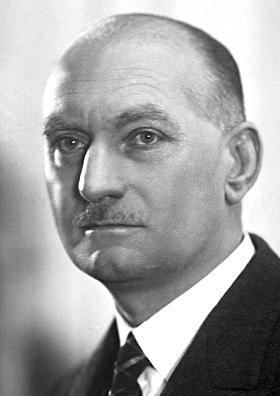
Corneille Heymans: Pioneer in Understanding Respiratory Regulation and Cardiovascular Physiology
Sweden
Science
Health
4 min read
Updated By: History Editorial Network (HEN)
Published:
Corneille Heymans was recognized for his groundbreaking work in the field of physiology. Heymans' research focused on the regulation of respiration, particularly how the body detects and responds to changes in blood chemistry. He conducted experiments that led to the discovery of the role of sinus and aortic mechanisms in monitoring and controlling breathing rates.
Heymans and his team carried out extensive research using animal models to understand the feedback systems involved in respiration. They demonstrated that receptors located in the carotid sinus and aortic arch respond to changes in blood pH, carbon dioxide, and oxygen levels. This information is then transmitted to the brain, which adjusts the respiratory rate accordingly to maintain homeostasis.
The recognition of these mechanisms had a lasting impact on the understanding of cardiovascular and respiratory physiology. It paved the way for significant advancements in both medical research and clinical practice. Healthcare providers gained deeper insights into how the body regulates breathing and the implications for treating respiratory and cardiovascular disorders.
Heymans’ contributions were globally acknowledged, highlighting the importance of physiological research in improving human health. His findings also stimulated further research into the autonomic nervous system and its role in regulating vital bodily functions.
Heymans’ work not only advanced scientific knowledge but also opened new paths for therapeutic interventions. Awareness of how the body maintains respiratory balance laid essential groundwork for innovations in treating conditions such as hypertension, chronic obstructive pulmonary disease, and sleep apnea.
#NobelPrize #Respiration #Physiology #MedicalResearch #CardiovascularHealth #MoofLife
Primary Reference
Nobel Prize Laureate Members - The Physiological Society
Explore the Life Moments of
 AI Twin