
Nobel Prize for LIGO: Revolutionizing Astrophysics with Gravitational Waves
Sweden
Science
Technology
3 min read
Updated By: History Editorial Network (HEN)
Published:
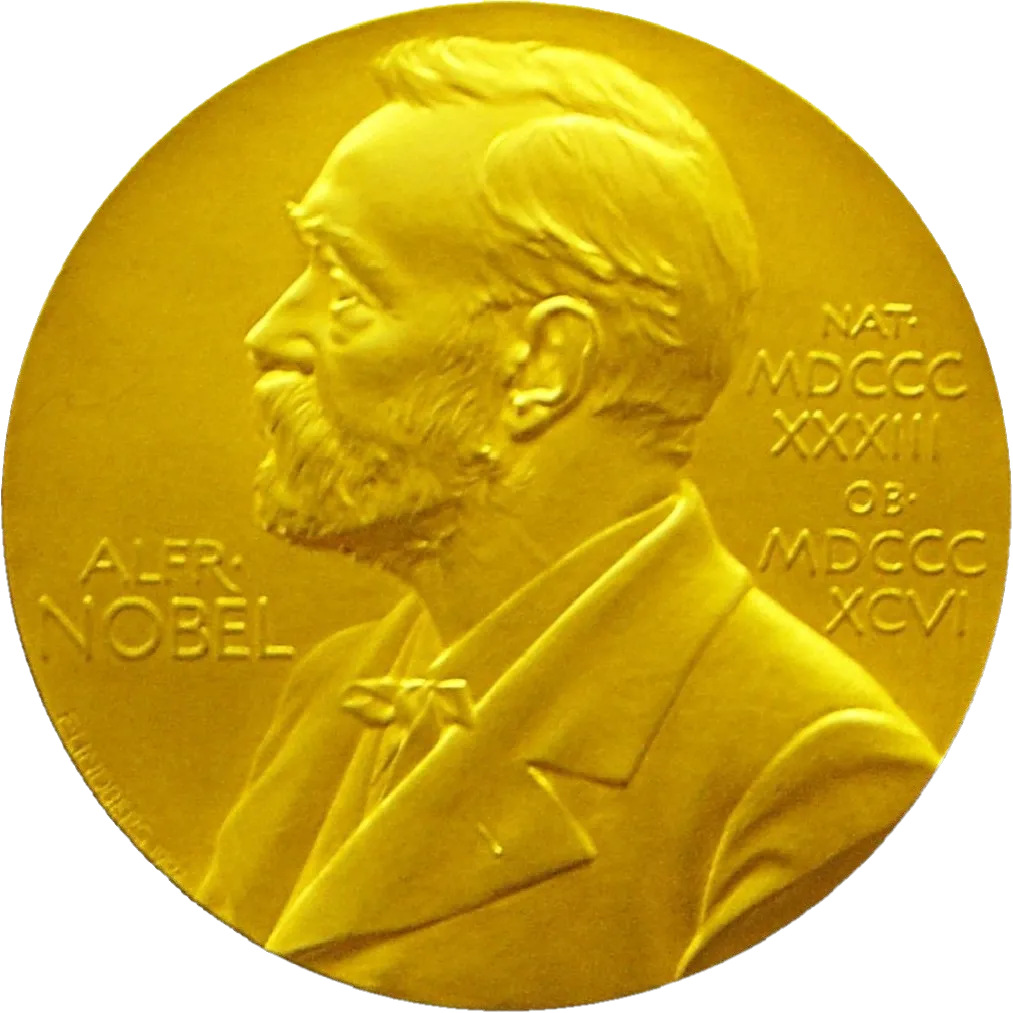
Rainer Weiss, Barry C. Barish, and Kip S. Thorne were awarded the Nobel Prize in Physics for their decisive contributions to the LIGO detector and the observation of gravitational waves. Their work led to groundbreaking achievements in astrophysics. LIGO, short for Laser Interferometer Gravitational-Wave Observatory, enabled the first direct detection of gravitational waves, a phenomenon predicted by Albert Einstein a century earlier through his theory of General Relativity.
Weiss developed the concept for LIGO, and along with Barish and Thorne, played a pivotal role in its operational success. Under Barish's leadership, the project overcame numerous technical and financial challenges, leading to the construction of twin observatories in the United States. Thorne's theoretical expertise was fundamental to interpreting the signals detected by LIGO.
The first detection by LIGO was of two black holes merging, an event that emitted gravitational waves across the cosmos, finally reaching Earth and vibrating the LIGO detectors. This observation confirmed a major prediction of Einstein's theory, provided new insights into the properties of black holes, and opened an unprecedented window into the universe.
#MoofLife #NobelPrize #Physics #GravitationalWaves #LIGO #Astrophysics #ScientificAchievement #Einstein
Explore the Life Moments of
 AI Twin