Innovative Bubble Chamber Revolutionizes Particle Physics
Sweden
Science
Technology
4 min read
Updated By: History Editorial Network (HEN)
Published:
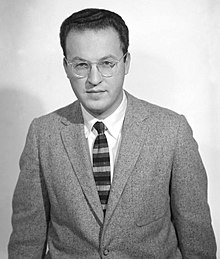
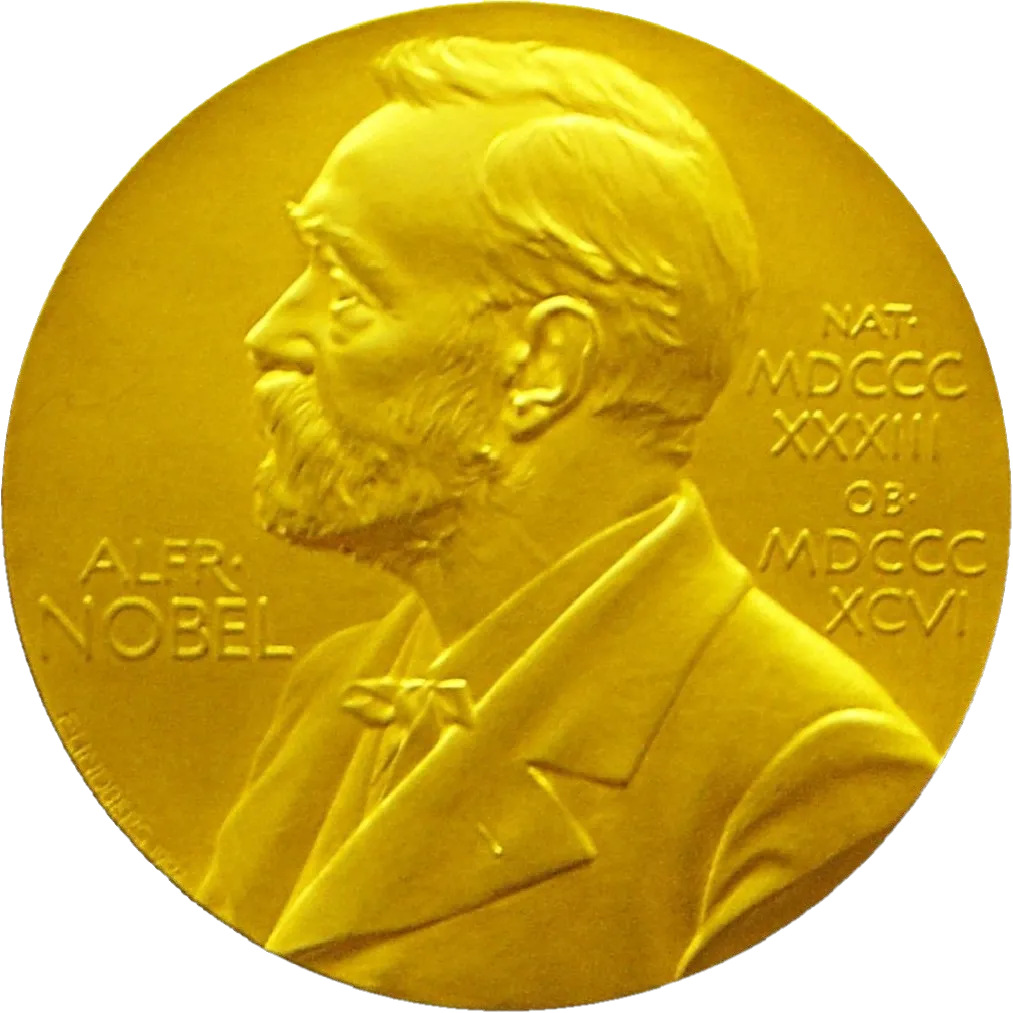
Donald A. Glaser received the Nobel Prize in Physics for his invention of the bubble chamber. This device, filled with a superheated transparent liquid, detects electrically charged particles. When these particles pass through the liquid, they produce a trail of bubbles, allowing scientists to study short-lived particles and high-energy processes.
Donald Glaser, an accomplished physicist with a background in both physics and biology, developed this innovative tool as a means to better observe particle interactions that were previously difficult to analyze. Before the bubble chamber, cloud chambers were the primary method for visualizing particle interactions, but they were less effective in capturing detailed particle paths.
The bubble chamber's invention marked a significant advancement in particle physics. It enabled clearer observations of particle interactions, significantly contributing to the understanding of atomic and subatomic behavior. The precise data captured by the bubble chamber allowed physicists to confirm theoretical models and discover new particles, leading to numerous significant findings in the field.
Glaser's work facilitated the study of high-energy particles produced in particle accelerators, such as those at CERN. High-energy physics research subsequently flourished, leading to major discoveries, including the identification of quarks and the validation of the Standard Model of particle physics.
The impact of the bubble chamber extended beyond physics. It influenced developments in other scientific fields requiring precise detection and visualization of minute particles and phenomena. Thus, the Nobel Prize in Physics awarded to Glaser not only recognized his individual achievement but underscored the broader significance of his invention in advancing scientific knowledge.
#ParticlePhysics #NobelPrize #BubbleChamber #ScientificInnovation #MoofLife
Primary Reference
Donald A. Glaser - Wikipedia
Explore the Life Moments of
 AI Twin