
Groundbreaking discovery of graphene's properties leads to transformative potential in various industries.
Sweden
Science
Technology
5 min read
Updated By: History Editorial Network (HEN)
Published:
Andre Geim and Konstantin Novoselov received recognition for their groundbreaking experiments on graphene, an allotrope of carbon consisting of a single layer of atoms arranged in a two-dimensional honeycomb lattice. Their work, carried out at the University of Manchester, demonstrated novel properties of this material, sparking significant interest in the scientific community. Graphene, being only one atom thick, exhibits remarkable physical characteristics, such as exceptional electrical conductivity, extraordinary mechanical strength, and high thermal conductivity.
The experiments involved a simple yet effective method using adhesive tape to peel off layers of graphite until a single layer of graphene was obtained. This technique, known as exfoliation or the 'Scotch tape method,' allowed researchers to isolate and study graphene's properties more closely than ever before. Their findings opened avenues for numerous practical applications, potentially revolutionizing industries such as electronics, materials science, and nanotechnology. Graphene's ability to conduct electricity 100 times faster than silicon and its strength, which is 200 times that of steel, underscore its transformative potential.
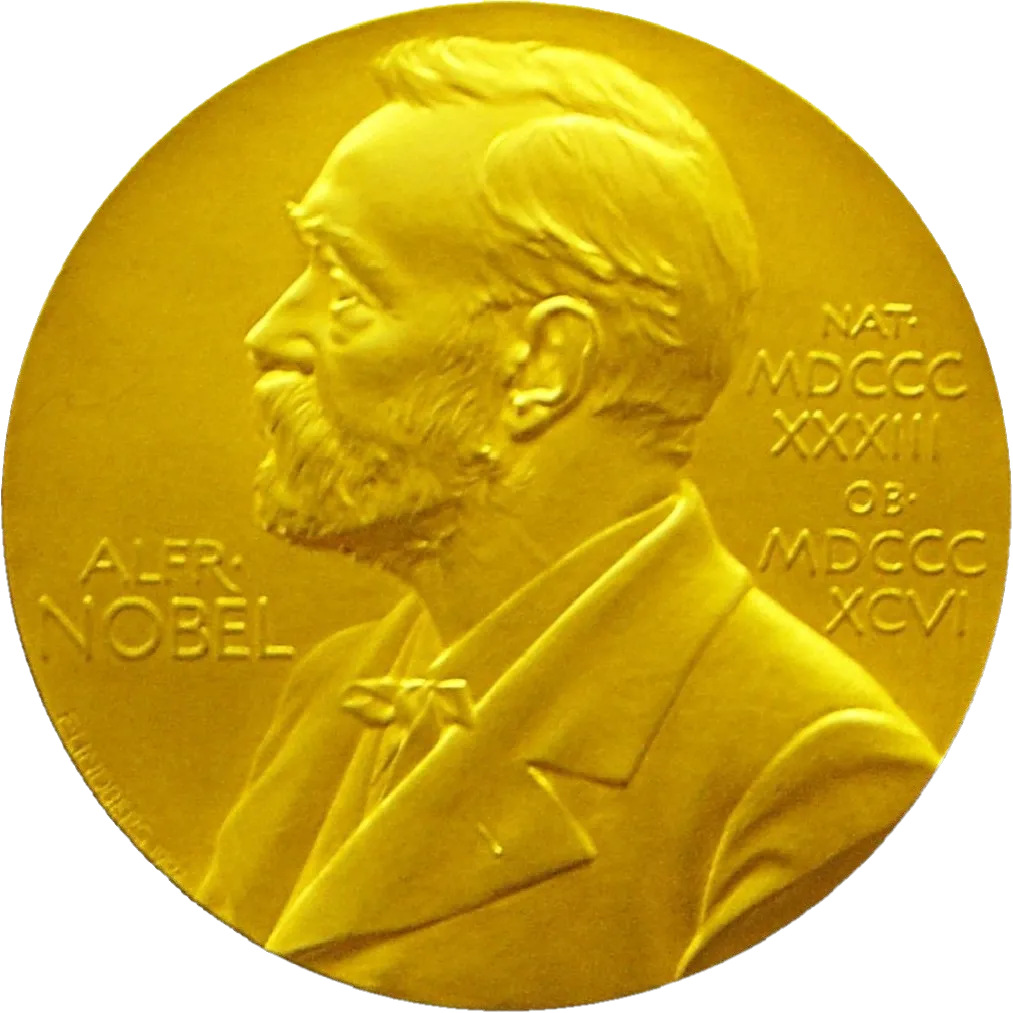
The award given to Geim and Novoselov drew attention to further research and development in the field of two-dimensional materials. It underscored the importance of fundamental scientific research in uncovering materials with properties that can lead to advancements in various technologies. The recognition also stressed the role of innovative experimental techniques in achieving significant breakthroughs.
The accomplishments of Geim and Novoselov have had a lasting impact, inspiring continued exploration into graphene and spurring further investigations into other two-dimensional materials like boron nitride and molybdenum disulfide, which hold promise for complementary or novel applications. The commercial and scientific communities continue to explore uses for graphene in areas such as flexible electronic devices, high-frequency transistors, and composite materials.
The award ceremony highlighted the collaborative nature of the research and its wide-reaching implications for the future of material sciences and technology development, emphasizing the interconnectedness of scientific inquiry and practical, real-world applications.
#GrapheneResearch #PhysicsNobel #MaterialScience #InnovativeTech #TwoDimensionalMaterials #MoofLife
Primary Reference
The Nobel Prize in Physics 2010 - NobelPrize.org
Explore the Life Moments of
 AI Twin