Discovery of Antiproton: Nobel Prize-winning confirmation of antimatter's existence and implications for physics.
Sweden
Science
4 min read
Updated By: History Editorial Network (HEN)
Published:
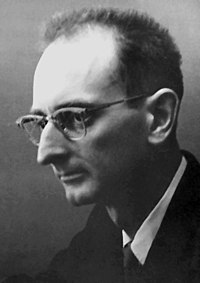
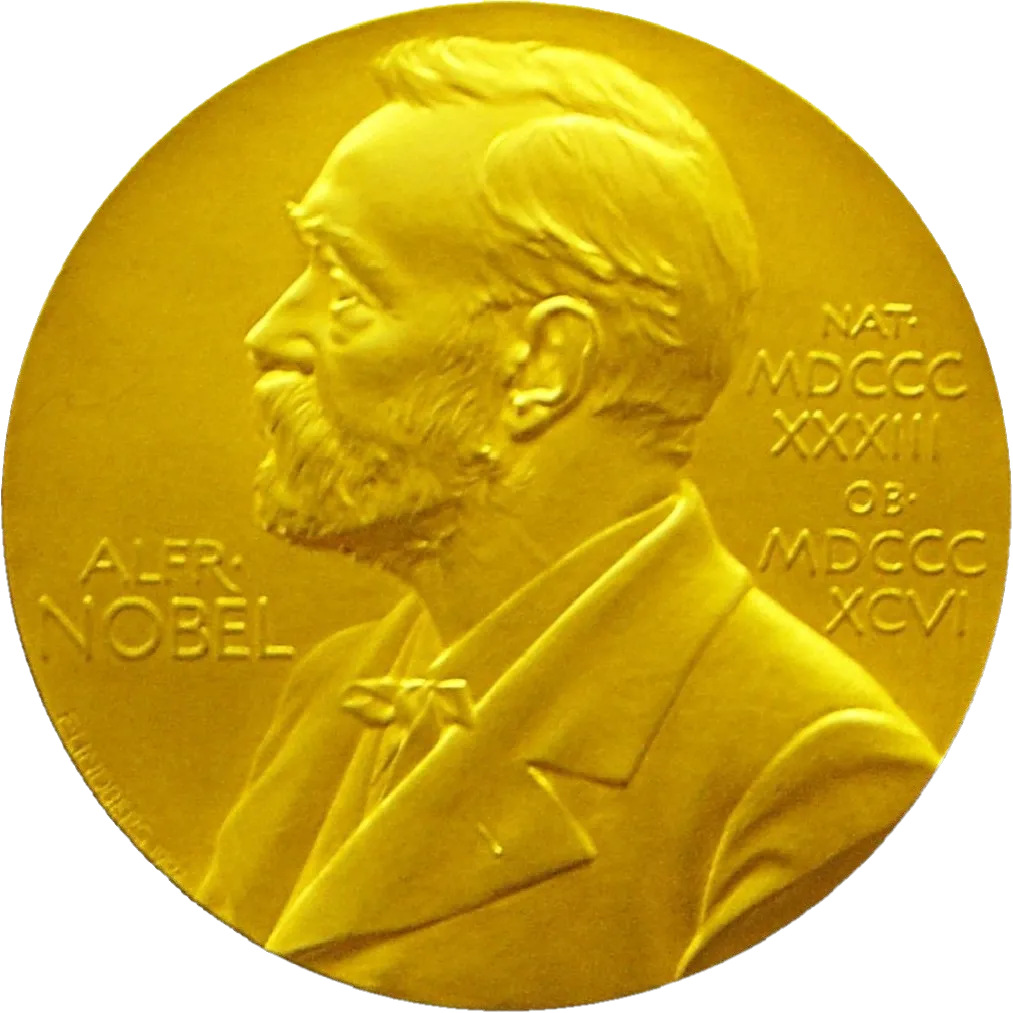
Emilio Segrè and Owen Chamberlain were awarded the Nobel Prize in Physics for their discovery of the antiproton. This achievement followed a series of experiments conducted at the University of California, Berkeley using the Bevatron, a particle accelerator capable of producing high-energy collisions. The antiproton, a subatomic particle with a negative charge opposite to that of a proton, was first detected during experiments in 1955.
This discovery confirmed the existence of antimatter, a concept that was previously theoretical. Antimatter particles possess opposite charges compared to their matter counterparts, and their interactions with matter result in annihilation, releasing significant amounts of energy. The identification of the antiproton was a crucial step in advancing our understanding of particle physics and the fundamental structure of the universe.
The work of Segrè and Chamberlain had extensive implications for both theoretical physics and practical applications. It provided experimental confirmation of Dirac's theory of antiparticles and paved the way for future research in high-energy physics. Additionally, the study of antimatter has potential applications in medical imaging, such as positron emission tomography (PET) scans, and in the future, it might contribute to advancements in energy generation and propulsion technology.
The discovery of the antiproton was a monumental step in the field of particle physics and demonstrated the power of experimental and theoretical collaboration. The contributions of Segrè and Chamberlain continue influencing research and technological innovations.
#Physics #NobelPrize #Antiproton #ParticlePhysics #ScientificDiscovery #Antimatter #HighEnergyPhysics #Berkeley #QuantumPhysics #MoofLife
Primary Reference
Emilio Segrè - Wikipedia
Explore the Life Moments of
 AI Twin