William Faulkner's Nobel Prize: Transforming American Literature with Innovation引述
Sweden
Literature
Entertainment
4 min read
Updated By: History Editorial Network (HEN)
Published:
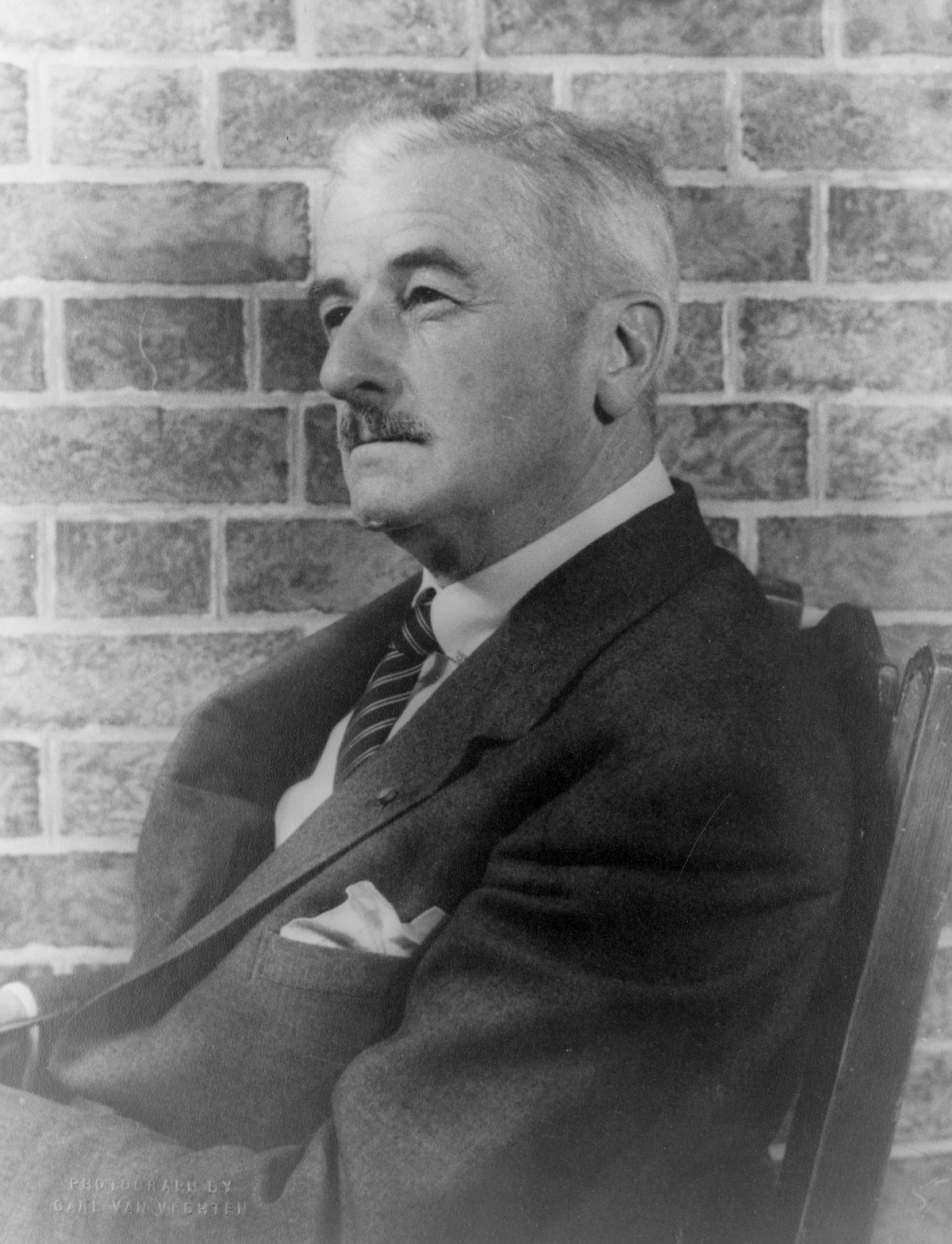
On December 10th, 1949, William Faulkner was recognized with the Nobel Prize in Literature. The event spotlighted his significant influence on modern American literature. Faulkner's work, characterized by its unique narrative structures and profound exploration of the human condition, had by then firmly established him in the literary canon. Known for novels such as "The Sound and the Fury" and "As I Lay Dying," Faulkner delved into complex themes of identity, time, and memory, often set against the backdrop of the American South.
The award underscored not only his artistic contributions but also his impact on narrative technique. Faulkner's use of stream-of-consciousness and intricate timelines were groundbreaking, pushing the boundaries of conventional storytelling. His work provided a deepened understanding of the fragmentary nature of human experience and memory. This recognition by the Nobel Committee cemented Faulkner's status as a pivotal figure in literature, whose innovative approach continues to influence writers and scholars.
Faulkner's receipt of the Nobel Prize was a testament to his ability to capture the complexities of life through prose, effectively redefining the modern American novel. It highlighted the importance of literary artistry and narrative experimentation. This accomplishment is a key moment in literary history, acknowledging the enduring power and relevance of Faulkner's contributions.
#NobelPrize #Literature #WilliamFaulkner #AmericanNovel #MoofLife
Primary Reference
William Faulkner – Banquet speech - NobelPrize.org
Explore the Life Moments of
 AI Twin