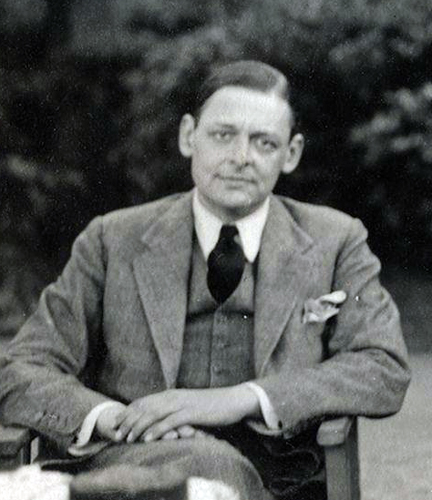
T.S. Eliot: Nobel Laureate in Literature, influential modern poet, shaping 20th-century literature.
Sweden
Literature
Poetry
3 min read
Updated By: History Editorial Network (HEN)
Published:
T.S. Eliot was recognized with the Nobel Prize in Literature for his significant contributions to modern poetry. Born in St. Louis, Missouri, Eliot established himself as a pivotal figure in the world of literature. His works, renowned for their innovative approach and depth, have had a profound impact on contemporary poetry.
Throughout his career, Eliot penned several influential poems and essays. Among his most notable works is "The Waste Land," which has been hailed as a quintessential piece of modernist literature. The poem, characterized by its fragmented structure and use of various literary allusions, has often been cited as a reflection of the disillusionment of the post-World War I generation.
Eliot’s contributions extended beyond poetry. He was also an accomplished playwright, essayist, and literary critic. His play "Murder in the Cathedral" and essay collection "The Sacred Wood" are among his other prominent works, further showcasing his diverse literary prowess.
The impact of Eliot’s work is evident in the way it shaped the direction of 20th-century literature. His influence can be seen in the writings of numerous poets and authors who followed. By blending classical references with modern themes, Eliot introduced a new dimension to poetry that challenged traditional conventions and encouraged readers to engage with the text on multiple levels.
#NobelPrize #Literature #TSEliot #ModernPoetry #LiteraryImpact #MoofLife
Primary Reference
Nobel Prize - Thomas Stearns Eliot's speech at the Nobel Banquet ...
Explore the Life Moments of
 AI Twin