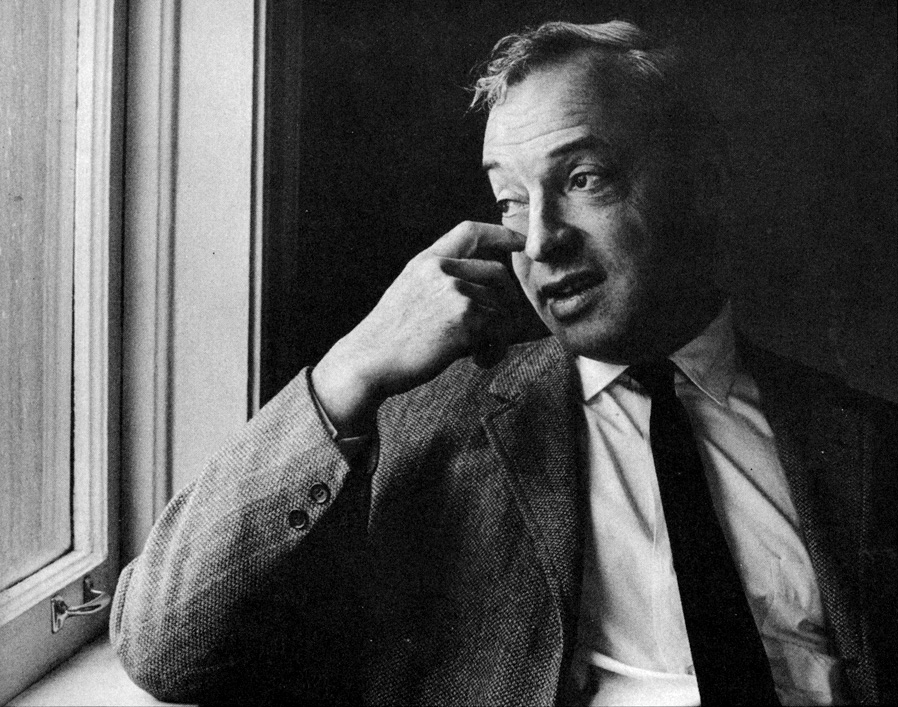
Saul Bellow's Nobel Prize-Winning Exploration of Contemporary Culture in Literature
Sweden
Literature
Culture
4 min read
Updated By: History Editorial Network (HEN)
Published:
Saul Bellow was awarded the Nobel Prize in Literature for his nuanced exploration and understanding of contemporary culture reflected in his work. Bellow was born in Lachine, Quebec, Canada, and moved to Chicago at the age of nine, a city which heavily influenced his literary themes. Known for his deep character studies and witty, articulate prose, Bellow's writing often delved into the complexities and paradoxes of modern society.
Throughout his career, Bellow authored numerous critically acclaimed novels, including "The Adventures of Augie March," "Herzog," and "Humboldt's Gift." His works frequently highlighted the struggles of intellectuals against the backdrop of shifting American cultural landscapes. His characters grapple with existential questions, societal norms, and personal identity, making his analysis both piercing and reflective.
The Pulitzer Prize, the National Book Awards, and other accolades punctuate Bellow's literary career, establishing him as a leading figure in American literature. The Nobel Prize in Literature further cemented his legacy, signifying global recognition of his contributions to understanding human nature and cultural nuances.
Bellow’s Nobel Prize recognition sparked renewed interest in his works and underscored the importance of literary exploration of human experiences. This prestigious award also highlighted the critical role of literature in examining and documenting the subtleties and shifts within contemporary culture.
#NobelPrize #Literature #SaulBellow #MoofLife #HumanUnderstanding #CultureAnalysis
Primary Reference
1976 Nobel Prize in Literature - Wikipedia
Explore the Life Moments of
 AI Twin