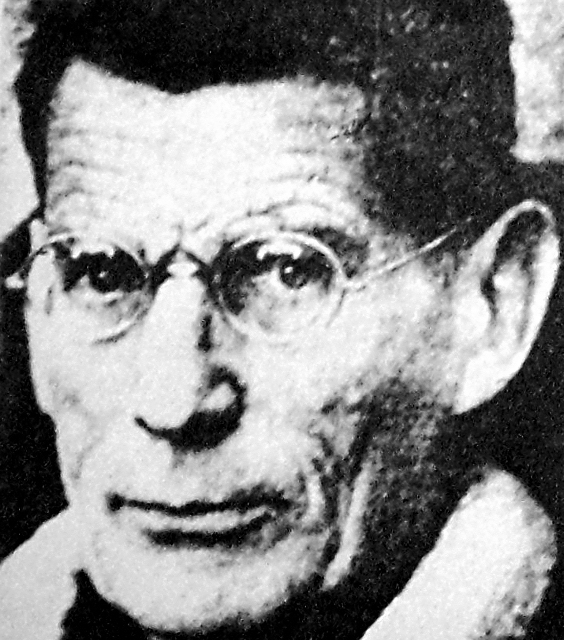
Samuel Beckett: Nobel Prize for Innovative Contributions to Literature and Drama
Sweden
Literature
Innovation
3 min read
Updated By: History Editorial Network (HEN)
Published:
Samuel Beckett was awarded the Nobel Prize in Literature for his groundbreaking contributions to novel and drama. His work was distinctive in its portrayal of the bleakness and isolation of modern existence, utilizing innovative narrative techniques and stark, minimalist dialogue. This recognition came at a time when the literary world was increasingly open to experimental forms and existential themes.
Beckett's most famous works such as "Waiting for Godot" and "Endgame" define his unique style, which often explores themes of futility, absurdity, and human suffering. His writing stands out for its sparse language and dark humor. The Nobel Committee highlighted how Beckett's work elevated the destitution of modern man, turning desolation into a form of profound literary expression.
This accolade acknowledged not only Beckett's influence on contemporary literature but also broadened the scope of what could be considered worthy of such an honor. His approach challenged traditional narrative structures and opened doors for future writers to explore more abstract and fragmented styles.
Beckett's Nobel Prize win marked a significant moment in the literary canon, reinforcing the vitality of innovation in storytelling. His legacy continues to impact writers, dramatists, and scholars, ensuring that his contributions endure within the fabric of modern literature.
#NobelPrizeInLiterature #SamuelBeckett #ModernLiterature #Existentialism #InnovativeWriting #MoofLife
Primary Reference
1969 Nobel Prize in Literature - Wikipedia
Explore the Life Moments of
 AI Twin