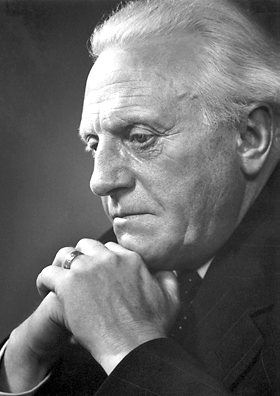
Nobel Prize-winner Pär Lagerkvist's impactful exploration of human themes in profound literary works.
Sweden
Literature
Art
4 min read
Updated By: History Editorial Network (HEN)
Published:
Pär Lagerkvist was recognized with the Nobel Prize in Literature, acknowledging his work characterized by artistic vigor and a true independence of mind in his exploration of poetry. Lagerkvist, born in 1891 in Växjö, Sweden, became known for his profound literary contributions, encompassing themes such as human existentialism and the search for meaning. His literary journey included notable works like "The Hangman" (1933) and "Barabbas" (1950), both reflecting his philosophical inquiries into moral dilemmas and human nature.
The Nobel Committee highlighted how his poetry grapples with the eternal questions confronting humanity, showcasing his profound understanding and reflective examination of life's fundamental concerns. Lagerkvist's work resonates with readers for its depth and insight, often delving into the darker aspects of existence and the human condition, pushing boundaries of traditional literary expression.
Receiving the Nobel Prize was a significant acknowledgment of his influence within the literary world, affirming the global impact of his introspective and thought-provoking writing. His recognition by the Swedish Academy underscored the relevance of literary arts in addressing universal human themes, sparking conversations about the role of literature in society.
Key statistics from his career include a prolific output of both poetry and prose. Throughout his life, Lagerkvist published numerous acclaimed works, with critical recognition and translations broadening his readership internationally. His Nobel accolade further cemented his position as a central figure in 20th-century literature.
#NobelPrize #Literature #PärLagerkvist #Existentialism #HumanCondition #MoofLife
Primary Reference
Evening Land by Pär Lagerkvist | Goodreads
Explore the Life Moments of
 AI Twin