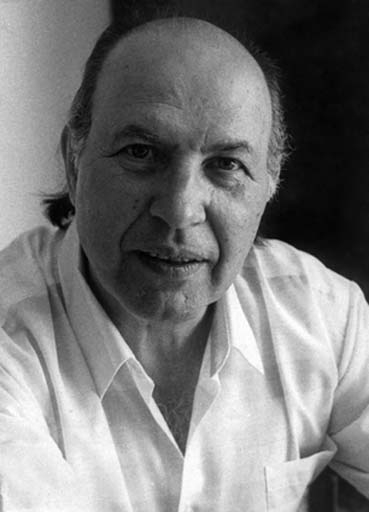
Imre Kertész: Nobel Laureate's Literature Captures Human Experience Amid Historical Trauma.
Sweden
Literature
3 min read
Updated By: History Editorial Network (HEN)
Published:
Imre Kertész, a Hungarian author and Holocaust survivor, was awarded the Nobel Prize in Literature. The Nobel Committee recognized his work for its profound exploration of individual experiences in the face of history's indifference. Kertész's literature, particularly his novel "Fatelessness," draws from his own experiences as a teenage survivor of Auschwitz and Buchenwald concentration camps. His writing emphasizes the fragility of personal experience when confronted with historical atrocities, offering a unique perspective on the human condition.
Kertész's recognition by the Nobel Committee highlights the importance of personal narrative within broader historical contexts. His works, often blending autobiographical elements with fiction, challenge readers to confront the brutal realities of the past. This award brought significant attention to Kertész's contributions to literature and underscored the role of literary works in preserving individual stories amid collective trauma.
The impact of Kertész's Nobel Prize win extended beyond literary circles, resonating deeply with Holocaust survivors and educators focusing on genocide and human rights studies. His writing not only serves as historical documentation but also as a testament to resilience and the importance of individual perspectives in understanding historical events.
#NobelPrize #Literature #History #HumanExperience #Holocaust #ImreKertesz #MoofLife
Explore the Life Moments of
 AI Twin