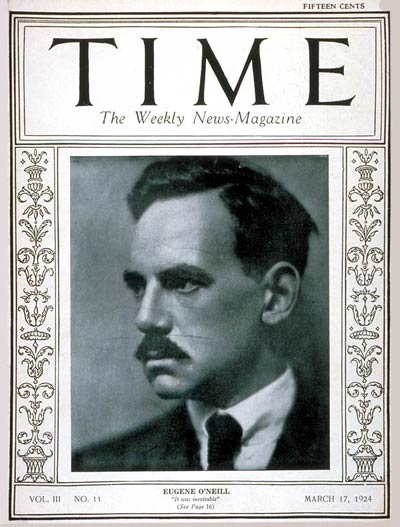
Eugene O'Neill: Nobel Laureate and Pioneer of American Theatre
Sweden
Literature
Theater
4 min read
Updated By: History Editorial Network (HEN)
Published:
Eugene O'Neill, an influential figure in American theatre, was awarded the Nobel Prize in Literature for his powerful, honest, and emotionally profound works that introduced an original tragic concept to modern drama. O'Neill's contributions to drama were recognized for their depth and the raw exploration of human experiences. His works often drew from his varied life experiences, including his troubled family background and personal battles, which lent authenticity to his characters and narratives.
O'Neill wrote several landmark plays that made significant impacts on the world of drama. Among them, "Long Day's Journey Into Night" and "The Iceman Cometh" stand out for their exploration of complex themes such as familial conflict, existential despair, and the human condition. His work resonated globally, influencing both audiences and future generations of playwrights.
O'Neill's recognition by the Nobel Committee was not just a personal achievement but also a milestone for American literature, as it marked one of the rare occasions an American dramatist received such a distinguished honor. This accolade highlighted the growing prestige of American theatre on the world stage.
The impact of O'Neill's work continued to be felt long after his award, as his plays were studied and performed widely, contributing to the evolution of drama and theatrical techniques. He left a lasting legacy in theatre, with his works being considered classics and his influence seen in the writings of many subsequent playwrights.
His award brought global attention to the potential of American drama to convey profound and universal truths, enhancing the recognition of the arts in the United States.
#MoofLife #EugeneONeill #NobelPrize #Literature #DramaticWorks #ModernDrama
Primary Reference
1936 Nobel Prize in Literature - Wikipedia
Explore the Life Moments of
 AI Twin