Ernest Hemingway's Nobel Prize-Winning Impact on Literature and Narrative Techniques
Sweden
Literature
Impact
4 min read
Updated By: History Editorial Network (HEN)
Published:
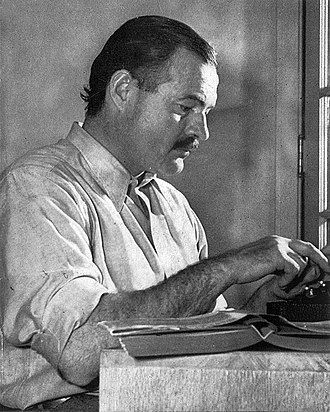
Ernest Hemingway received the Nobel Prize in Literature for his notable mastery of narrative art, underscored by his work "The Old Man and the Sea," and the influence he exerted on contemporary literary style. "The Old Man and the Sea," published in 1952, narrates the story of an old Cuban fisherman and his struggle with a giant marlin, showcasing Hemingway's spare and direct writing style.
The award highlighted not only the success of this particular novella but also acknowledged Hemingway's broader impact on 20th-century literature. Hemingway’s style, characterized by economy and understatement, significantly shaped modern narrative techniques. His writing often focused on themes of adventure, war, and personal resilience, attracting a wide readership and critical acclaim.
Hemingway's recognition by the Swedish Academy underscored his contributions to literature, joining the ranks of notable laureates. His works, including "A Farewell to Arms," "For Whom the Bell Tolls," and "The Sun Also Rises," have been translated into numerous languages, reflecting his global influence.
Statistically, "The Old Man and the Sea" sold 5 million copies within 48 hours of its release as a Life magazine publication. Such metrics underscore the public's immense interest and Hemingway's status as a literary icon. Hemingway's Nobel Prize further cemented his legacy in literary history, influencing writers and readers alike for generations to come.
#ErnestHemingway #TheOldManAndTheSea #NobelPrize #Literature #Influence #ModernNarrative #MoofLife
Primary Reference
1954 Nobel Prize in Literature - Wikipedia
Explore the Life Moments of
 AI Twin