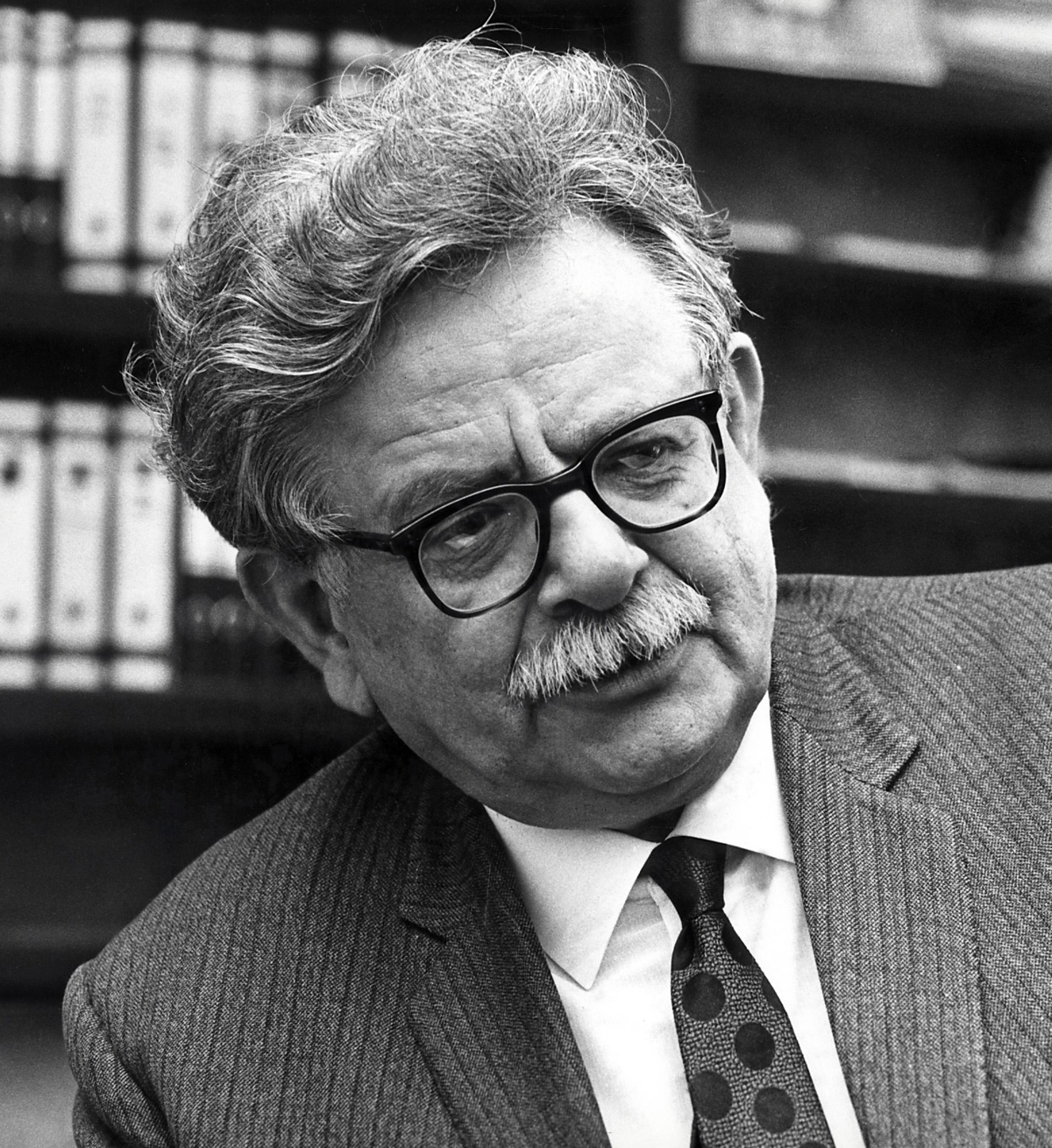
Elias Canetti: Nobel laureate explores society, psychology, and literature with interdisciplinary insight.
Sweden
Literature
Social Psychology
4 min read
Updated By: History Editorial Network (HEN)
Published:
Elias Canetti received the Nobel Prize in Literature "for writings marked by a broad outlook, a wealth of ideas and artistic power." Canetti, a Bulgarian-born writer of Sephardic Jewish descent, relocated to various countries during his early years, eventually settling in Austria, where his literary journey began. His magnum opus, "Crowds and Power," offers a systematic exploration of the dynamics within societies, delving into the behavior of crowds and the nature of authority. This work is a significant contribution to the field of social psychology and political science.
Canetti's influence extended beyond literature to various intellectual disciplines. His keen observations and deep reflections earned him a reputation as a master of critical thought. He viewed literature as a tool to understand human nature and societal structures. His works, written primarily in German, were characterized by their intricate analysis and intersection of science, politics, and culture.
The Nobel Prize recognized not just Canetti's literary contributions but also his insightful examination of human behavior and societal norms. It reaffirmed the importance of interdisciplinary approaches to literature and how such perspectives can enrich our understanding of the human condition.
Canetti's Nobel accolade had a significant impact on the literary community, bringing greater attention to his works and inspiring a revaluation of interdisciplinary influences in literature. His legacy continues, influencing contemporary writers and thinkers who explore the connections between literature, psychology, and social dynamics.
#Literature #NobelPrize #EliasCanetti #MoofLife
Primary Reference
1981 Nobel Prize in Literature - Wikipedia
Explore the Life Moments of
 AI Twin