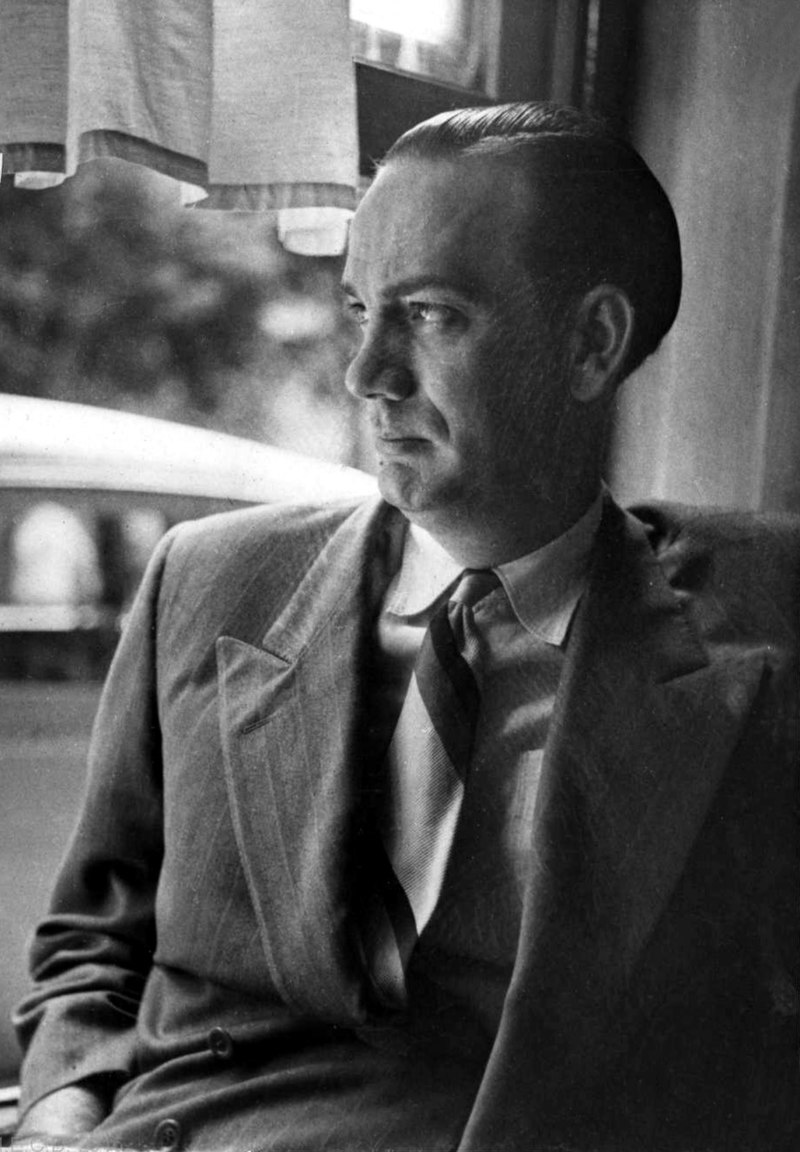
Camilo José Cela's Nobel Prize-Winning Literature: A Portrait of Human Vulnerability and Resilience.
Sweden
Literature
Spanish Literature
4 min read
Updated By: History Editorial Network (HEN)
Published:
Camilo José Cela was honored with the Nobel Prize in Literature. His recognition came for his rich and intensive prose, which, with restrained compassion, presented a challenging vision of man's vulnerability. Cela, a Spanish writer, had a prolific career that spanned several decades. His literary works often explored themes of hardship and human suffering, giving voice to the marginalized and highlighting societal issues.
Born in 1916 in Iria Flavia, Galicia, Cela's experiences during the Spanish Civil War deeply influenced his writing. He initially gained prominence with "The Family of Pascual Duarte," published in 1942, which became one of the most important Spanish novels of the 20th century. His style, often described as stark and unflinching, provided a gritty and realistic portrayal of Spanish life.
By the time he was awarded the Nobel Prize, Cela had authored numerous novels, essays, and travel books. His work not only garnered acclaim but also sparked controversy due to its candid depiction of Spain under Franco's dictatorship. Cela's literary influence extended beyond Spain, impacting writers and readers worldwide with his exploration of human nature and vulnerability.
The Nobel Prize in Literature awarded to Cela highlighted the significance of Spanish literature in the global literary canon. It underscored the importance of addressing human suffering and resilience through prose. Cela's recognition brought attention to the literary and cultural heritage of Spain, encouraging further exploration of Spanish writers.
#NobelPrize #Literature #CamiloJoséCela #SpanishLiterature #HumanVulnerability #CulturalHeritage #InfluentialWriters #MoofLife
Primary Reference
1989 Nobel Prize in Literature - Wikipedia
Explore the Life Moments of
 AI Twin