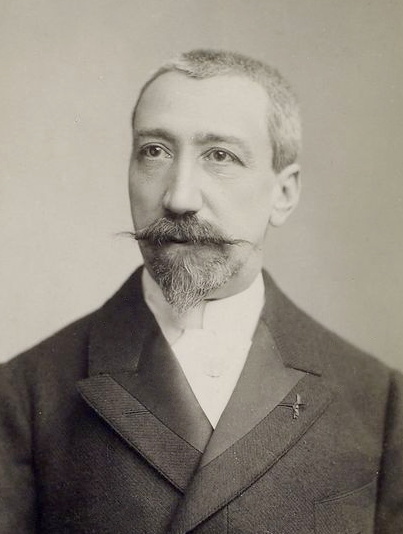
Anatole France: Nobel Laureate and Literary Luminary
Sweden
Literature
Legacy
4 min read
Updated By: History Editorial Network (HEN)
Published:
Anatole France, a distinguished French author born in 1844, was recognized for his exceptional literary contributions. Known for his lucid and elegant prose, he was awarded the Nobel Prize in Literature. His works demonstrated a profound understanding of human nature and a deep sympathy for the human condition. His notable novels include "Thaïs," "The Crime of Sylvestre Bonnard," and "Penguin Island," through which he explored themes ranging from historical reflection to social criticism.
France's literary career spanned several decades, during which he published numerous novels, essays, and critiques. His writing was characterized by a style that was both noble and insightful, earning him a place among the great writers of his time. The recognition by the Nobel Committee highlighted the impact of his work on both literary circles and society at large.
Receiving the Nobel Prize in Literature brought international attention to France's contributions and underscored the significance of his work in shaping modern literature. His style, often noted for its clarity and precision, set a standard for literary excellence. The award further solidified France's reputation as a leading figure in literature, influencing future generations of writers and readers.
The Nobel Prize cemented Anatole France's legacy and provided a wider platform for his messages of humanism and social reflection. His influence extended beyond France, resonating with a global audience and affirming the importance of literary arts in understanding and examining human experiences.
#NobelPrize #Literature #AnatoleFrance #LiteraryAchievements #HumanSympathy #MoofLife
Primary Reference
1921 Nobel Prize in Literature - Wikipedia
Explore the Life Moments of
 AI Twin