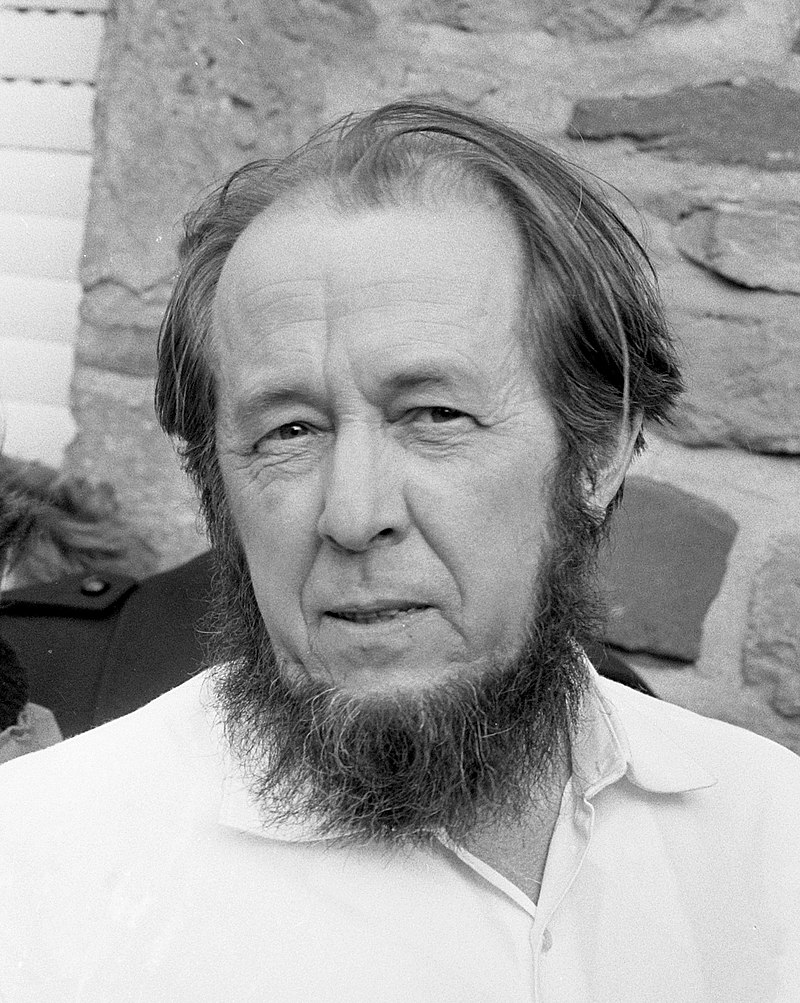
Aleksandr Solzhenitsyn's Nobel Prize: Honoring Russian literature and exposing Soviet realities.
Sweden
Literature
Political
4 min read
Updated By: History Editorial Network (HEN)
Published:
Aleksandr Solzhenitsyn received the Nobel Prize in Literature "for the ethical force with which he has pursued the indispensable traditions of Russian literature." This monumental event marked a significant recognition of Solzhenitsyn's contributions to literature and his unwavering commitment to exposing the realities of life in the Soviet Union. A former captain in the Russian army, Solzhenitsyn was arrested in 1945 for criticizing Joseph Stalin and subsequently spent eight years in labor camps and internal exile.
Solzhenitsyn's literary works, which include "One Day in the Life of Ivan Denisovich" and "The Gulag Archipelago," provide a stark, detailed account of the Soviet labor camp system. His writings highlighted the brutal conditions and the resilience of the human spirit under oppressive regimes. The international recognition of Solzhenitsyn's work brought global attention to human rights violations in the Soviet Union and underscored the role of literature in advocating for social and ethical issues.
At the time of the award, Solzhenitsyn’s relationship with the Soviet government was fraught with tension. The authorities viewed his open criticism as a threat, leading to increased surveillance and censorship of his work. Nevertheless, the Nobel Prize amplified his voice and message, offering him a protective layer of international prestige and support.
The impact of Solzhenitsyn's Nobel Prize extended beyond literature. It encouraged other dissidents and writers to persevere in their struggle for freedom and justice, despite severe repercussions. Solzhenitsyn's recognition served as a powerful testament to the enduring importance of literature in shaping societal values and advocating for change.
#NobelPrize #Literature #AleksandrSolzhenitsyn #HumanRights #EthicsInLiterature #RussianLiterature #GulagArchipelago #MoofLife
Primary Reference
Aleksandr Solzhenitsyn – Facts - NobelPrize.org
Explore the Life Moments of
 AI Twin