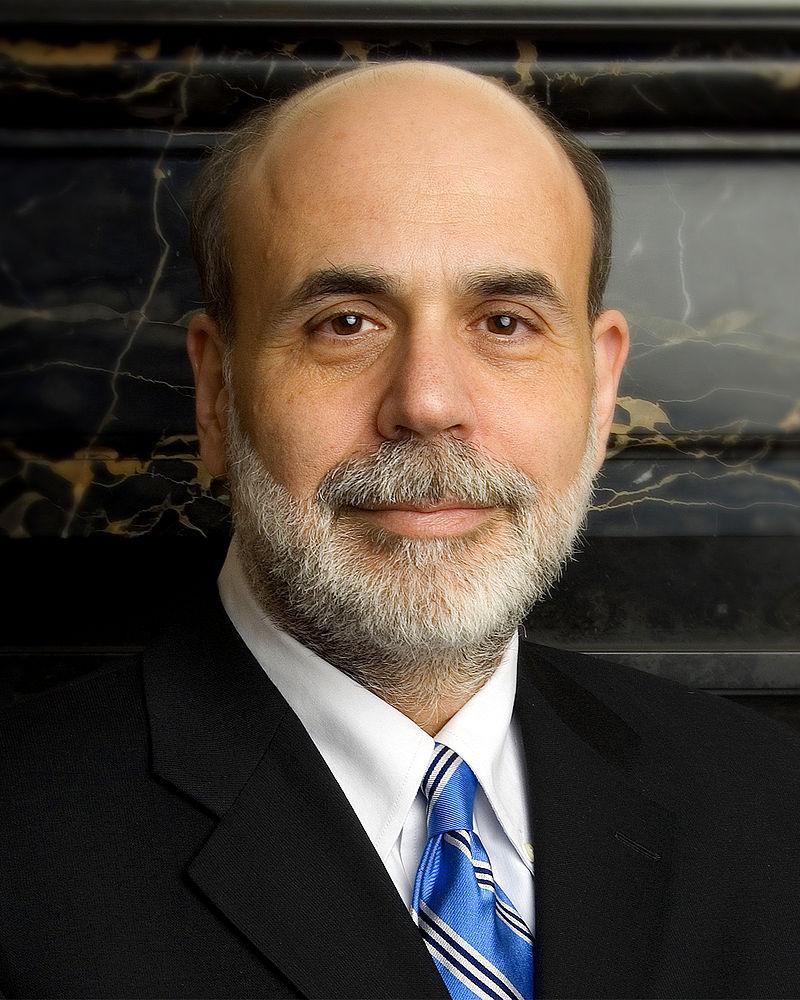
Nobel laureates in economics revolutionize understanding of banks and crises; influence financial policy worldwide.
Sweden
Science
Economic Downturn
4 min read
Updated By: History Editorial Network (HEN)
Published:
In a notable recognition of their significant contributions to the field of economics, Ben S. Bernanke, Douglas W. Diamond, and Philip H. Dybvig were awarded the Nobel Prize in Economic Sciences. Their collective research has fundamentally advanced the understanding of banks and financial crises.
Ben S. Bernanke, former Chairman of the Federal Reserve, has extensively analyzed the Great Depression, showing how banking panics could significantly worsen a financial crisis. His empirical approach stressed the importance of preventing bank failures, influencing how central banks respond to economic downturns.
Douglas W. Diamond and Philip H. Dybvig made pioneering contributions with the development of the Diamond-Dybvig model. This model illustrates the role of banks in balancing liquidity provision against the risk of runs. It effectively demonstrates why banks are prone to runs and how government policy can mitigate this risk, primarily through deposit insurance and lender-of-last-resort facilities.
Together, their work has provided essential insights that inform contemporary financial regulation and monetary policy. Their models and conclusions have become cornerstones in the field of financial economics, with implications for the stability and functioning of financial systems worldwide. Their research efforts have underscored the critical role that well-functioning banks play in the economy, particularly during times of financial stress.
#Banks #FinancialCrises #NobelPrizeInEconomics #EconomicResearch #MoofLife
Primary Reference
The Prize in Economic Sciences 2022 - Press release - NobelPrize.org
Explore the Life Moments of
 AI Twin