AC Induction Motor And The War Of Currents
Croatia
Technology
Engineering
3 min read
Updated By: History Editorial Network (HEN)
Published:
Updated:
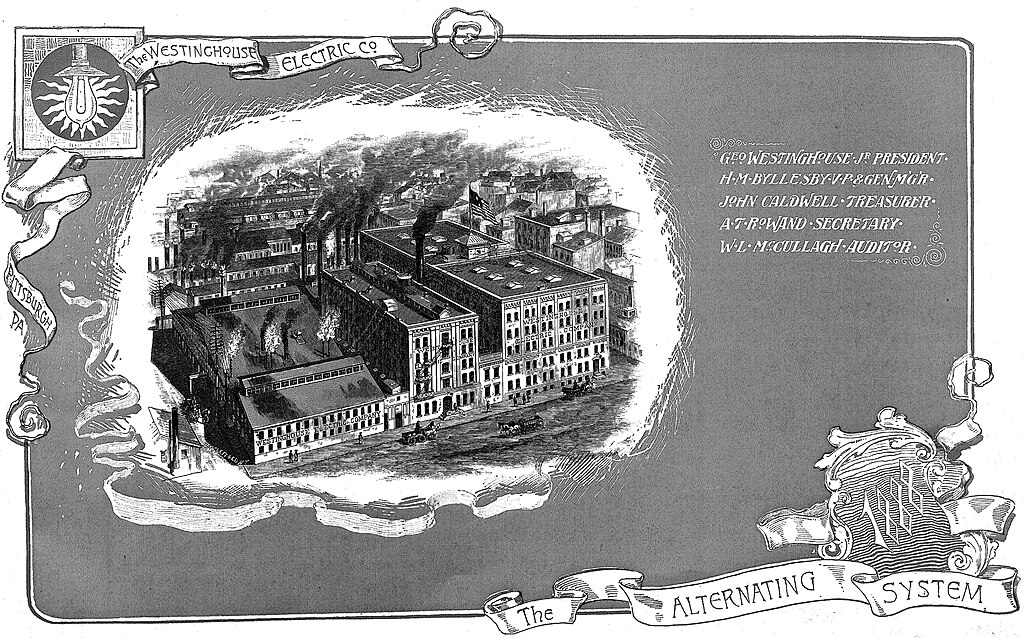
In 1888, Nikola Tesla was granted a patent for his groundbreaking invention, the alternating current (AC) induction motor. This innovation emerged during a fierce competition among leading electric companies, notably Westinghouse, Edison, and Thomson-Houston Electric Company, in what became known as the 'war of currents.' While Edison championed direct current (DC) as the superior technology, Tesla's AC motor offered significant advantages in efficiency and scalability. Despite the promise of Tesla's invention, Westinghouse faced severe financial challenges that hindered the immediate development of the motor and its associated polyphase system. The financial panic of 1890 exacerbated these difficulties, forcing Westinghouse to refinance debts and cut back on research expenditures, including those related to Tesla's motor. By early 1891, Westinghouse struggled to meet Tesla's royalty payments, prompting Tesla to release the company from this obligation. Ultimately, in 1897, Westinghouse acquired Tesla's patent for a lump sum as part of a broader patent-sharing agreement with General Electric. This acquisition not only solidified Tesla's legacy but also laid the foundation for the widespread adoption of AC power systems, which are still in use today. #mooflife #mof #MomentOfLife #NikolaTesla #AcInductionMotor #WestinghouseElectric #WarOfCurrents #ElectricPowerSystems

Explore the Life Moments of
 AI Twin