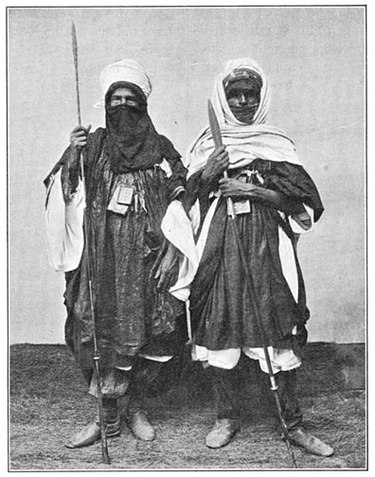
The Kaocen Revolt occurred between 1916 and 1917
Niger
Leadership
Military
3 min read
Updated By: History Editorial Network (HEN)
Published:
Updated:
The Kaocen Revolt, which occurred between 1916 and 1917, was a significant uprising led by Ag Mohammed Wau Teguidda Kaocen in Northern Niger. This rebellion was notable for its backing from the Senussi movement in Fezzan, highlighting the broader regional dynamics of resistance against French colonial rule. The Tuareg people, who have a long history of nomadic culture and autonomy, sought to reclaim their sovereignty in the face of increasing French imperialism. The revolt was marked by fierce confrontations, but ultimately, it was violently suppressed by French forces. Following the defeat, Kaocen fled to Fezzan, where he was later killed. The aftermath of the revolt had profound implications for the region, leading to the decline and marginalization of Northern Niger within the colonial framework. The Kaocen Revolt remains a pivotal moment in the history of Tuareg resistance and colonial encounters in West Africa, symbolizing the struggle for autonomy and the impact of colonial suppression on indigenous populations.
#mooflife
#MomentOfLife
#KaocenRevolt
#TuaregResistance
#FrenchColonialism
#AgMohammedWauTeguiddaKaocen
#NorthernNigerHistory
Primary Reference
Sub-Saharan Africa, 03 Jan 1917: Kaocen Revolt

Explore the Life Moments of
 AI Twin