1974 Niger Coup d'État
Niger

Politics
International Relations
3 min read
Updated By: History Editorial Network (HEN)
Published:
Updated:
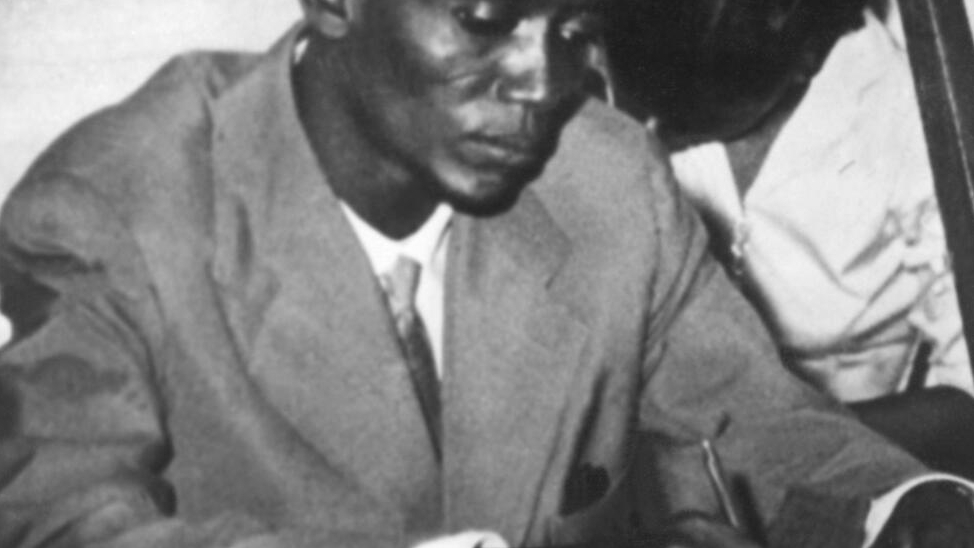
On April 15, 1974, a pivotal moment in Niger's history occurred when Colonel Seyni Kountché led a successful coup d'état, overthrowing President Hamani Diori. This coup was primarily fueled by widespread dissatisfaction with Diori's governance, particularly his handling of the economy amidst a devastating drought that resulted in severe famine across the nation. The military regime established by Kountché marked a significant shift in Niger's political landscape, as it lasted for over a decade, from 1974 to 1991. Kountché's administration focused on stabilizing the economy and enhancing agricultural production to combat the effects of the drought. However, this period was also characterized by political repression and a notable curtailment of civil liberties. The coup and the subsequent military rule had profound and lasting impacts on Niger's political and social structures, shaping the country's trajectory for years to come. The legacy of Kountché's regime continues to influence Niger's political discourse and governance today.
#mooflife
#MomentOfLife
#Niger
#Kountché
#CoupD'état
#PoliticalHistory
#MilitaryRegime

Explore the Life Moments of
 AI Twin