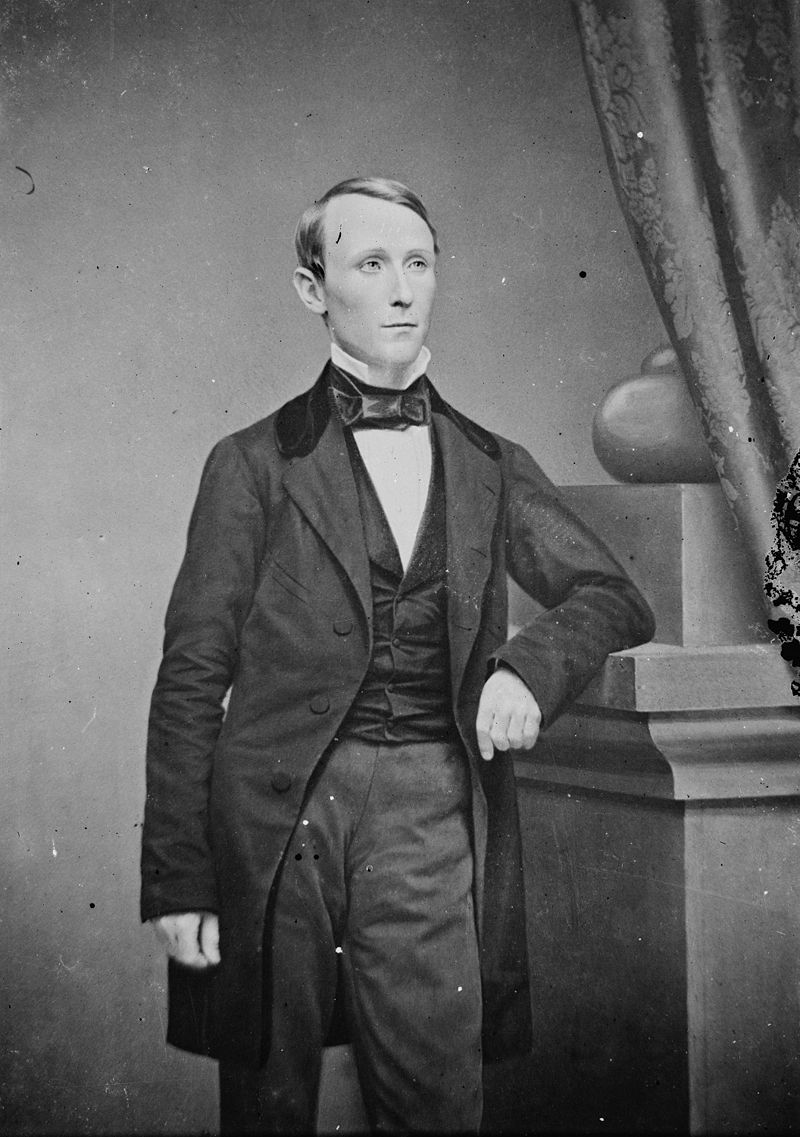
William Walker Declares Himself President of Nicaragua
Nicaragua
Political Events
Nicaragua
3 min read
Updated By: History Editorial Network (HEN)
Published:
Updated:
In 1855, American adventurer and filibuster William Walker was invited by the Liberal faction in Nicaragua to assist in their struggle against the Conservative forces. Seizing the opportunity, Walker led an expedition that culminated in his self-appointment as President of Nicaragua after orchestrating a dubious election in 1856. His presidency, however, was short-lived, lasting less than a year. In 1857, a coalition of military forces from Costa Rica, Honduras, El Salvador, Guatemala, and Nicaragua united to expel Walker from power. This intervention marked a significant moment in Central American history, highlighting the tensions between Liberal and Conservative ideologies and the impact of foreign adventurers in regional politics. Walker's presidency is often viewed as a farcical episode in Nicaraguan history, characterized by his attempts to establish a pro-slavery regime and expand American influence in the region. His defeat underscored the resilience of Central American nations in resisting foreign intervention and the complexities of their internal conflicts.

Explore the Life Moments of
 AI Twin