U.S. Intervention in Nicaragua Against President Zelaya
Nicaragua
Historical Events
U.S. Foreign Policy
Latin American History
2 min read
Updated By: History Editorial Network (HEN)
Published:
Updated:
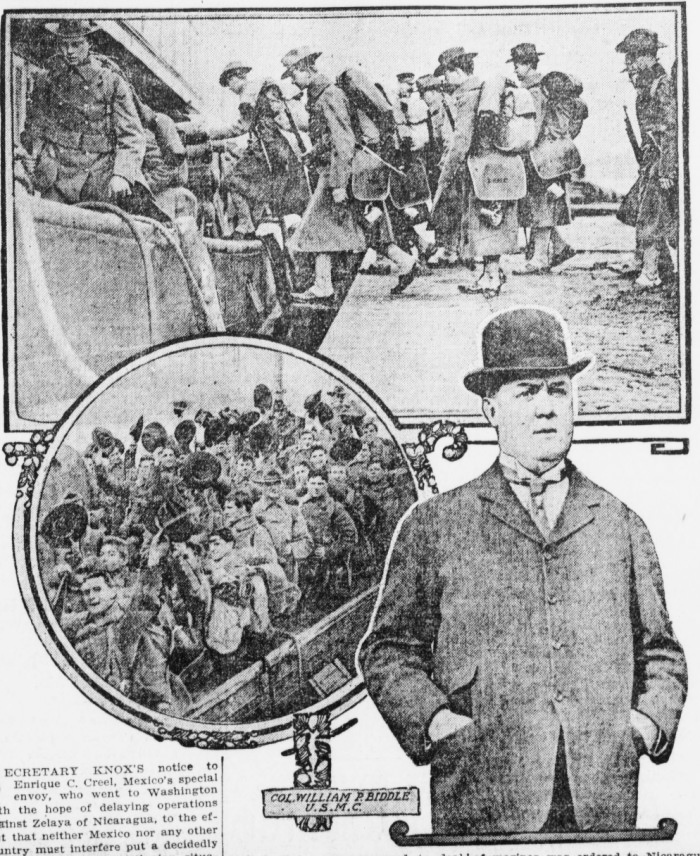
In 1909, the United States intervened in Nicaragua, supporting rebel forces against President José Santos Zelaya. This intervention was primarily motivated by several factors, including disagreements over the proposed Nicaragua Canal, concerns about Nicaragua's potential to destabilize Central America, and Zelaya's efforts to regulate foreign access to the country's natural resources. The situation escalated on November 18, 1909, when U.S. warships were dispatched to the region following the execution of 500 revolutionaries, including two American citizens, under Zelaya's orders. The U.S. government justified its military presence by claiming it was necessary to protect American lives and property. Ultimately, Zelaya resigned later that year, marking a significant moment in U.S.-Nicaraguan relations and setting the stage for further American involvement in Central America throughout the early 20th century.

Explore the Life Moments of
 AI Twin