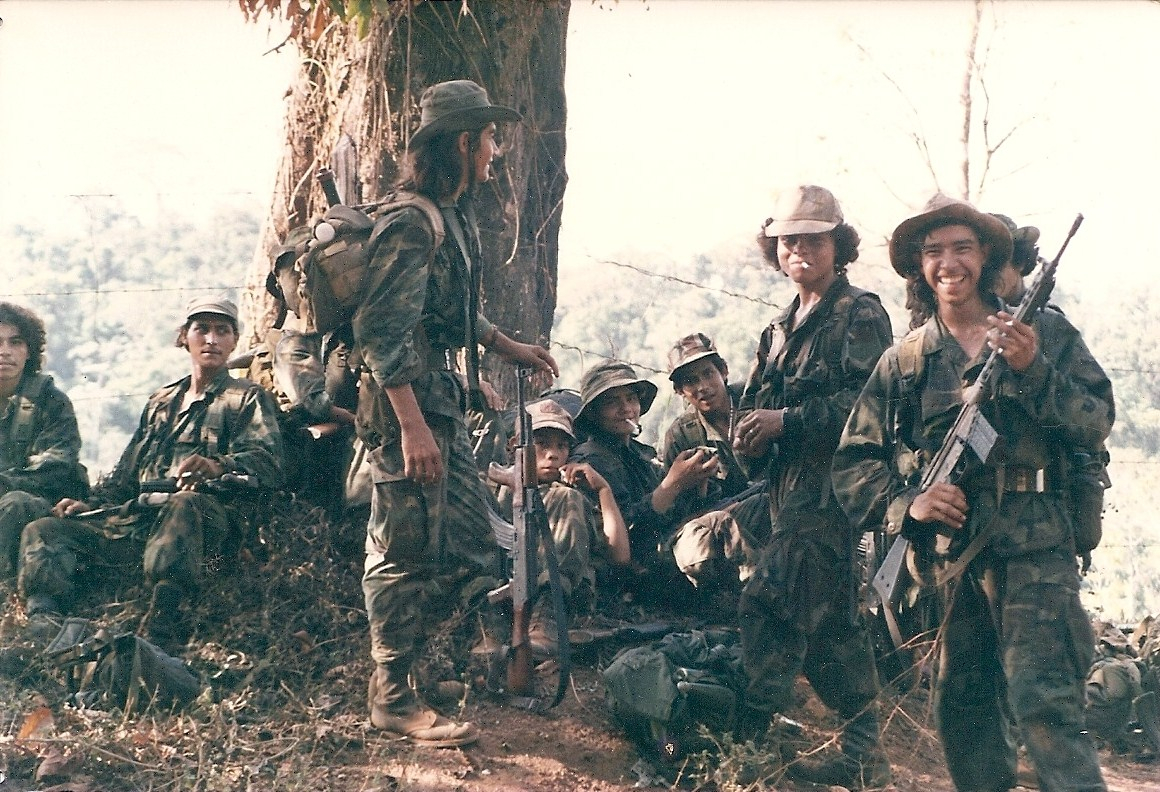
overthrow of the Somoza Dictatorship in Nicaragua
Nicaragua
Politics
Nicaragua
3 min read
Updated By: History Editorial Network (HEN)
Published:
Updated:
In July 1979, the Sandinista National Liberation Front (FSLN) achieved a historic victory by overthrowing the Somoza dictatorship in Nicaragua, a regime that had been in power for over four decades. This pivotal moment marked a significant turning point in Nicaraguan history, as the Sandinistas sought to implement social reforms and address the deep-seated inequalities in the country. However, the revolution also triggered a mass exodus of the middle class, wealthy landowners, and professionals, many of whom fled to the United States to escape the new regime. Initially, the Sandinista government received support from the Carter administration, which provided $60 million in aid to help stabilize the country. However, this support was short-lived, as tensions escalated following reports of Nicaraguan arms shipments to Salvadoran rebels. The Sandinista government faced numerous challenges, including significant opposition from U.S.-backed Contra rebels, leading to a prolonged conflict that would shape Nicaragua's political landscape for years to come. The events of 1979 not only transformed Nicaragua but also had lasting implications for U.S.-Latin American relations during the Cold War era.

Explore the Life Moments of
 AI Twin