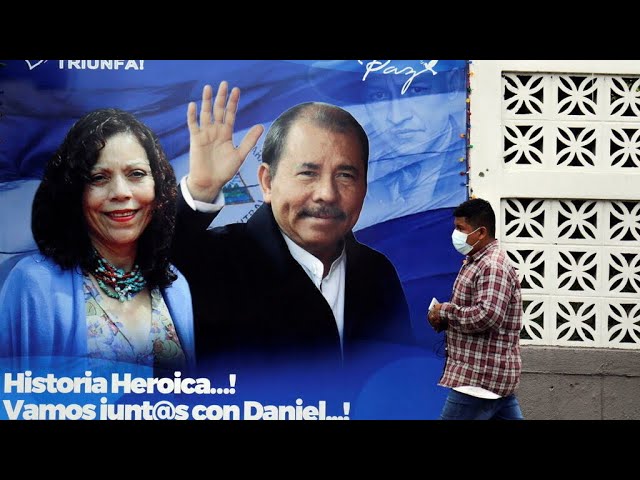
Ortega Secures Third Election Victory Amidst Political Tensions in Nicaragua
Nicaragua
Politics
Elections
Nicaragua
3 min read
Updated By: History Editorial Network (HEN)
Published:
Updated:
In November 2016, Daniel Ortega was elected for his third consecutive term as President of Nicaragua, marking his fourth overall term in office. The elections were marred by controversy, as international monitoring was initially prohibited, leading to disputes regarding the validity of the electoral process. Despite these challenges, Nicaraguan election officials reported that Ortega received approximately 72% of the vote. However, the opposition coalition, the Broad Front for Democracy (FAD), claimed that voter turnout was significantly low, asserting that around 70% of eligible voters abstained from participating in the elections. Official figures from the election authorities indicated a participation rate of 65.8%. The situation highlighted the polarized political landscape in Nicaragua, with Ortega's administration facing criticism for its handling of democratic processes and civil liberties. The Organization of American States (OAS) announced plans to observe the elections in October, but the lack of prior international oversight raised concerns about the integrity of the electoral process. Ortega's continued presidency has sparked ongoing debates about governance, democracy, and human rights in Nicaragua.

Explore the Life Moments of
 AI Twin