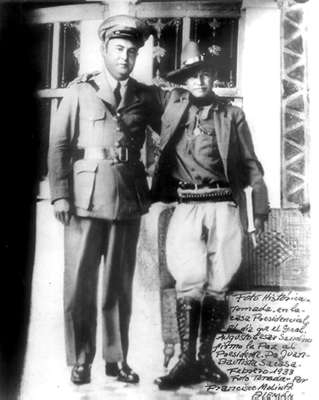
Anastasio Somoza García ascended to the presidency of Nicaragua
Nicaragua

Politics
Leadership
3 min read
Updated By: History Editorial Network (HEN)
Published:
Updated:
On January 1, 1937, Anastasio Somoza García ascended to the presidency of Nicaragua following a controversial and rigged election that deposed the then-president, Sacasa. Somoza's rise to power marked the beginning of a long-standing dictatorship that would be maintained by his family for several decades. In the early years of his presidency, Somoza strategically eliminated potential rivals within the National Guard, consolidating his control over the military and the government. His regime was characterized by authoritarian rule, suppression of dissent, and the establishment of a political dynasty that would see his sons, including Anastasio Somoza Debayle, continue the family's grip on power. The Somoza family's rule was marked by significant political repression and corruption, leading to widespread discontent among the Nicaraguan populace. This discontent would eventually culminate in the Sandinista Revolution in the late 1970s, which sought to overthrow the Somoza regime and establish a more democratic government. Somoza García's presidency is a pivotal moment in Nicaraguan history, illustrating the complexities of power, governance, and the impact of dictatorship on a nation's political landscape.

Explore the Life Moments of
 AI Twin