The NFL’s 17-Game Regular Season: A Landmark Shift in Pro Football History
Raymond James Stadium in Tampa, Florida, United States
Sports
Football
NFL
10 min read
Updated By: History Editorial Network (HEN)
Published:
Updated:
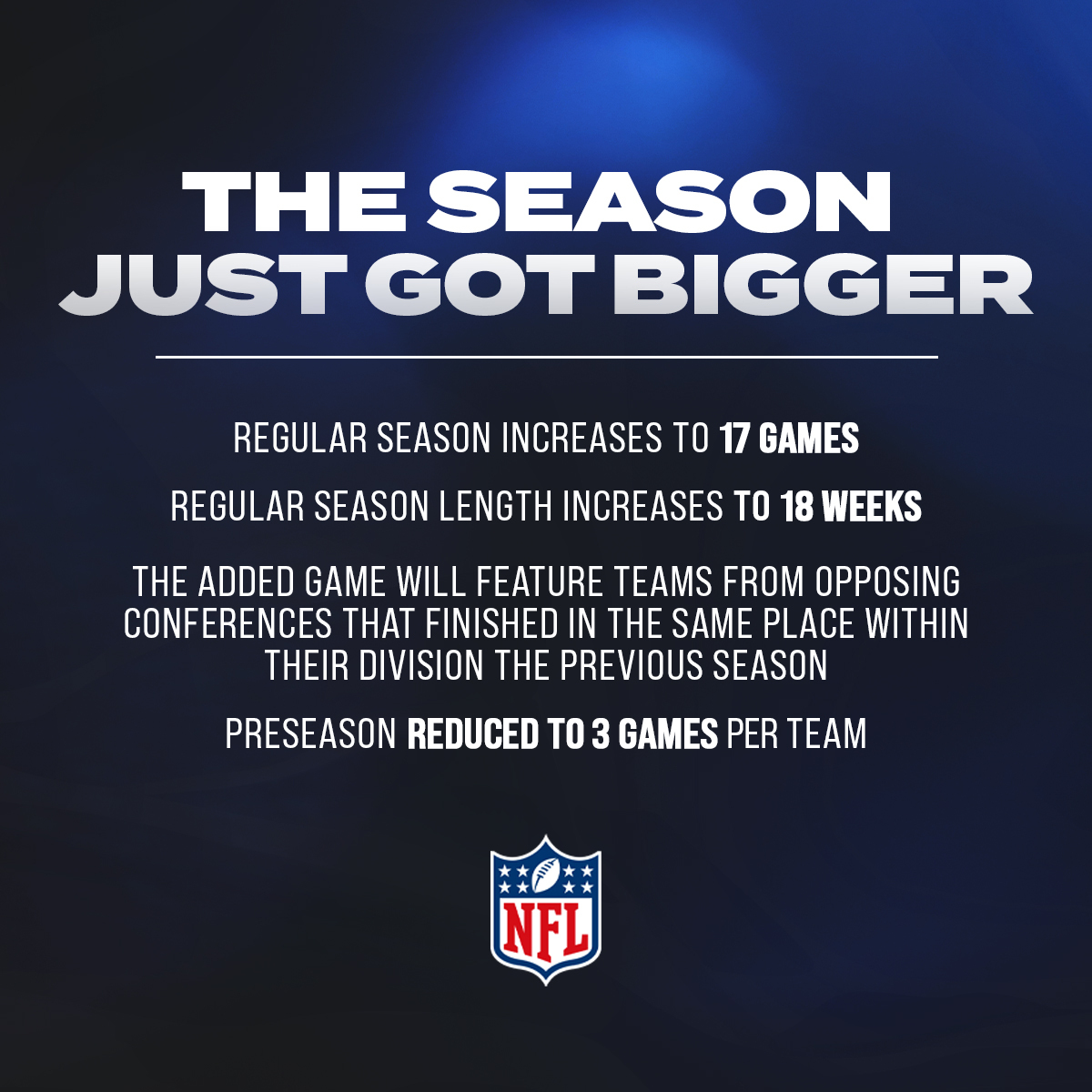
On March 30, 2021, the National Football League (NFL) formally adopted a 17-game regular season, marking the first expansion of its regular season schedule since 1978, when the league moved from 14 to 16 games. This moment was more than just a numerical adjustment - it represented a pivotal evolution in how the NFL structures its competition, distributes its revenue, and connects with its fans. The expansion also meant a reduction in preseason games from four to three.
The first game of the NFL's new 17-game regular season was held at Raymond James Stadium in Tampa, Florida. This was the NFL Kickoff game, played on Thursday, September 9, 2021, between the defending Super Bowl LV champion Tampa Bay Buccaneers and the Dallas Cowboys. The Buccaneers won the game 31-29.
A Long Time Coming
The move to a 17-game regular season was years in the making. It became officially possible following the ratification of the 2020 Collective Bargaining Agreement (CBA) between the NFL and the NFL Players Association (NFLPA). Under that agreement, owners were given the option to expand the regular season schedule by one game as early as the 2021 season - and they seized the opportunity at the first available moment.
NFL Commissioner Roger Goodell announced the change with confidence, calling it a "monumental moment in NFL history." The expansion aligned with the league’s ongoing goal of increasing global reach, enhancing fan engagement, and maximizing revenue, particularly from broadcasting and media rights.
The New Structure
The 17-game schedule kept the same 18-week timeframe, meaning each team would still have one bye week. The preseason was reduced from four games to three for most teams to help balance the added physical toll of the longer regular season.
The matchups for the 17th game were determined by interconference pairings based on the prior season's divisional standings. For example, a first-place team from the AFC would face a first-place team from a corresponding NFC division, and so on. The additional game rotated divisions annually.
This format not only added a meaningful extra game for fans and broadcasters but also gave the league more control over marquee matchups, ensuring higher ratings and better ticket sales.
Player Reactions and Safety Concerns
While the league celebrated the move, the decision was met with mixed reactions from players. Many current and former players expressed concerns over the increased risk of injury, the physical strain of an extended season, and the absence of a second bye week. Some viewed the change as a clear example of business interests outweighing player health.
Veteran players like Alvin Kamara of the New Orleans Saints voiced their opposition on social media immediately after the announcement. Others emphasized the need for improved medical care, load management, and long-term health monitoring.
To address some of these concerns, the NFL pledged to enhance health and safety protocols, including better rest periods, medical oversight, and practice limits. However, skepticism among players and some fans remained.
Broadcasting and Revenue Impact
From a financial standpoint, the shift to a 17-game season was a boon to the NFL and its media partners. The league had just finalized a massive 11-year media rights deal worth over $100 billion with CBS, NBC, Fox, ESPN/ABC, and Amazon - a deal that was clearly influenced by the prospect of additional high-value games.
An extra regular-season game meant more prime-time opportunities, higher ad revenue, and greater international exposure. In fact, the NFL’s international growth plans - particularly games in London, Germany, and Mexico - were tied to the new schedule, which created more inventory for overseas games without reducing the number of home games for U.S. teams (as the 17th game was often designated for international play).
Historical and Statistical Implications
The move to 17 games also had significant implications for NFL records and historical comparisons. With more games, single-season records for yards, touchdowns, and other statistical categories became easier to surpass, sparking debates about the fairness of comparing eras.
For example, in just the first season of the new format, Cooper Kupp of the Los Angeles Rams came close to breaking Calvin Johnson’s single-season receiving yards record, aided by the additional game. While fans welcomed the excitement, purists argued for asterisks or adjusted metrics to preserve historical context.
#mooflife
#MomentOfLife
#Nfl
#17-gameSchedule
#Football
#SportsBusiness
#PlayerSafety

Explore the Life Moments of
 AI Twin