NFL Suspends Local TV Blackout Policy - A Landmark Shift in Fan Access
NFL annual meeting, Phoenix, Arizona, United States
Sports
Television
NFL
10 min read
Updated By: History Editorial Network (HEN)
Published:
Updated:
In a major move reflecting changing media landscapes and evolving fan expectations, the NFL announced on March 23, 2015, that it would suspend its long-standing local television blackout policy for the 2015 season. This decision marked a dramatic turning point in how the league approached fan access and stadium attendance, effectively ending a controversial practice that had been in place for over 40 years.
What Was the Blackout Policy?
The NFL’s blackout rule, implemented in 1973, prohibited local TV stations from broadcasting a home game if the game wasn’t sold out 72 hours before kickoff. The intent was to encourage ticket sales and stadium attendance by limiting fans’ ability to watch games at home unless the venue was full.
Over the years, the rule drew sharp criticism from fans, consumer advocates, and politicians alike, who saw it as punitive, especially in struggling markets or during seasons when teams were underperforming. The policy often hit loyal fan bases the hardest, especially those in cities with outdated stadiums or economic hardships.
The 2015 Decision:
At the NFL’s Annual Meeting in Phoenix, Arizona, team owners voted to suspend the blackout policy for the 2015 season. Though technically a one-year suspension (rather than a permanent removal), it effectively ended the era of routine local blackouts.
NFL spokesman Brian McCarthy confirmed the change, saying:
“The blackout policy has been suspended for 2015. Clubs have made significant improvements in their stadium experience, and the policy has been under review.”
The NFL emphasized that the change was driven by progress in fan engagement, stadium technology, and ticket sales models, which had made the blackout rule less relevant than it was in the 1970s or 1980s.
The Role of Public Pressure and the FCC:
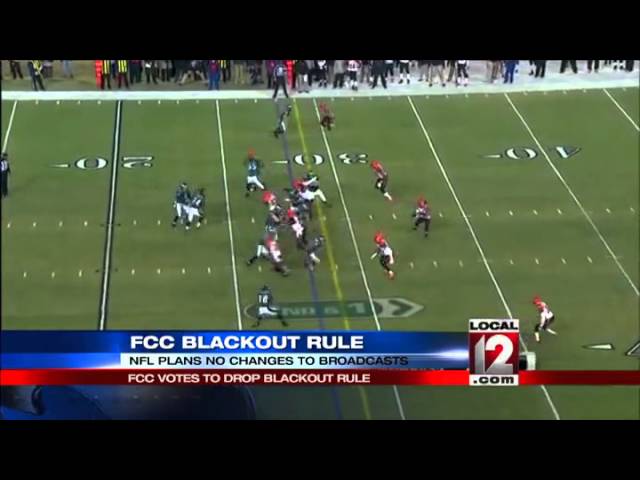
The league’s decision didn’t happen in a vacuum. It followed increasing public and political pressure, particularly from the Federal Communications Commission (FCC). In September 2014, the FCC voted unanimously to repeal its own sports blackout rules, which had previously supported the NFL’s policy by barring cable and satellite providers from airing games blacked out on local stations.
FCC Chairman Tom Wheeler had been especially vocal, calling the blackout policy “obsolete” and “anti-fan.” The FCC’s repeal didn’t directly stop the NFL’s blackout rule (since the league could enforce it contractually), but it sent a strong signal that public institutions were no longer willing to support blackout-related restrictions.
Consumer advocacy groups and fan organizations also campaigned for change. Groups like Sports Fans Coalition and even bipartisan members of Congress argued that teams receiving public funding for stadiums shouldn’t withhold games from the very taxpayers supporting them.
Why the Policy Became Obsolete? - Several factors made the blackout policy increasingly outdated by 2015:
Improved Stadium Attendance: Many teams had begun selling out games regularly, thanks in part to dynamic pricing, better seating, and in-stadium enhancements.
Public Funding of Stadiums: With many stadiums financed by taxpayers, the moral argument against blackouts strengthened.
Rise of Digital Media: Fans had more ways to engage with the game - through streaming, highlights, fantasy football, and social media - making the threat of a TV blackout less effective.
Revenue Shifts: As TV and digital rights became the NFL’s primary revenue sources, the importance of selling out stadiums declined. Protecting television viewership became more important than boosting local ticket sales.
A New Era of Accessibility:
The suspension meant that all NFL games in the 2015 season would be televised in their local markets, regardless of attendance. Notably, no local blackouts had occurred during the 2014 season, signaling the rule was already weakening.
The NFL did not permanently eliminate the policy in 2015, but the suspension was never lifted, and the blackout rule has not been enforced since. In practice, this suspension became a permanent shift, even if not officially labeled as such.
Legacy and Fan Impact:
For fans, the change was widely celebrated. It ensured that loyal supporters could watch their teams, even during difficult seasons. It also brought the NFL in line with modern expectations for media access and fan engagement.
From a legacy standpoint, the suspension of the blackout rule in 2015 was a symbolic gesture of modernization, indicating the league’s willingness to adapt longstanding policies to meet contemporary demands. It showed that the NFL, despite its reputation for conservatism, was responsive to external pressure - and to the evolving relationship between fans, media, and the game.
The 2015 suspension of the blackout policy was more than a tweak in broadcast rules. It was the end of an era - and the beginning of a more inclusive, fan-centered approach to NFL broadcasting.
#mooflife
#MomentOfLife
#Nfl
#LocalTvBlackoutPolicy
#SportsBroadcasting
#FanEngagement
#Viewership
Primary Reference
NFL television blackout policies

Explore the Life Moments of
 AI Twin