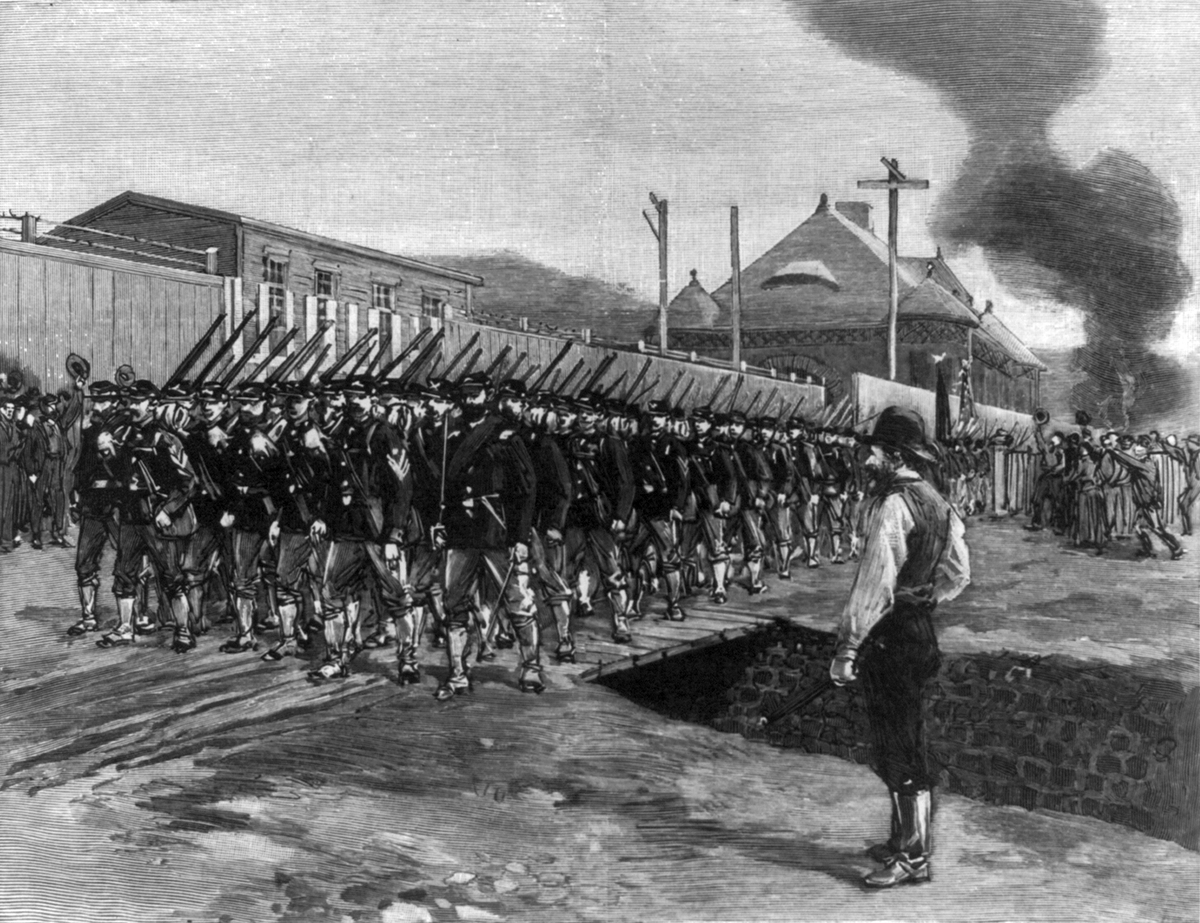
Waihi Miners' Strike: A Historical Labor Dispute
New Zealand
Political
4 min read
Updated By: History Editorial Network (HEN)
Published:
In Waihi, New Zealand, a miners' strike unfolded in 1912, marking a pivotal moment in the country's labor history. The strike was fueled by longstanding grievances over wages and working conditions in the mining industry. Miners, frustrated by low pay and lack of job security, demanded better treatment from their employers.
As the strike escalated, tensions flared between the miners and mine owners, leading to violent clashes. The authorities became involved to maintain order, resulting in a significant disruption to the local community and economy. The strike garnered widespread attention, with both supporters and critics voicing their opinions on the situation.
Ultimately, the Waihi miners' strike highlighted the power struggle between labor and management, shedding light on the harsh realities faced by workers in the early 20th century. While the strike itself may have ended, its impact reverberated throughout the country, sparking conversations about worker rights and fair treatment.
In the aftermath of the strike, some concessions were made to the miners, improving their working conditions to some extent. However, the strike also highlighted the challenges faced by labor movements in advocating for change against powerful interests.
Through the Waihi miners' strike, a legacy was born, inspiring future generations to continue the fight for workers' rights and social justice. The event serves as a reminder of the importance of solidarity and resilience in the face of adversity, shaping the course of labor relations in New Zealand for years to come.
#Waihi #miners #strike #laborrights #NewZealand #history

Explore the Life Moments of
 AI Twin