Tragedy at Tangiwai: 151 Lives Lost
New Zealand
Tragedy
3 min read
Updated By: History Editorial Network (HEN)
Published:
Updated:
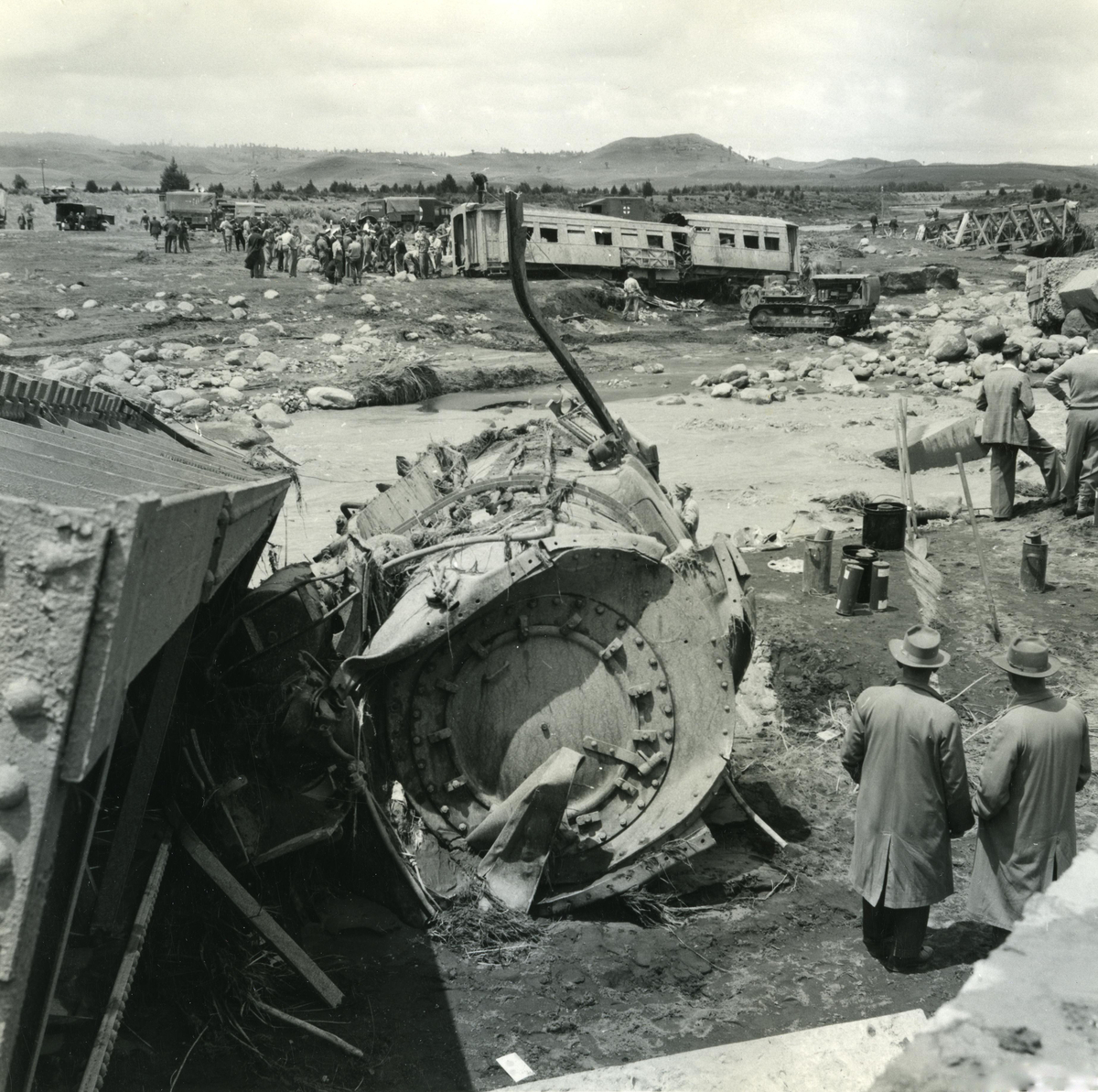
In 1953, a tragic railway disaster struck the small town of Tangiwai in New Zealand. The incident occurred when the Wellington to Auckland overnight express train derailed and fell into the Whangaehu River, after the nearby Mount Ruapehu erupted, causing a lahar to sweep down the river and damage the railway bridge.
The crash resulted in the loss of 151 lives, making it one of the deadliest railway accidents in New Zealand's history. Among the victims were men, women, and children who were traveling home for the holidays. The community of Tangiwai was devastated by the sudden loss of so many lives, leaving a lasting impact on the town and the entire country.
The aftermath of the disaster saw a large-scale rescue and recovery operation, with emergency services and volunteers working tirelessly to search for survivors and retrieve the bodies of those who had perished. The tragic event led to widespread mourning and reflection, prompting significant changes in railway safety regulations and infrastructure to prevent similar accidents in the future.
The railway disaster at Tangiwai remains a somber reminder of the fragility of human life and the unpredictable forces of nature. It stands as a poignant moment in New Zealand's history, commemorated annually to honor the memory of the lives lost and the resilience of the community in the face of adversity.
#TangiwaiRailwayDisaster #NewZealandTragedy #RailwaySafety #CommunityResilience

Explore the Life Moments of
 AI Twin