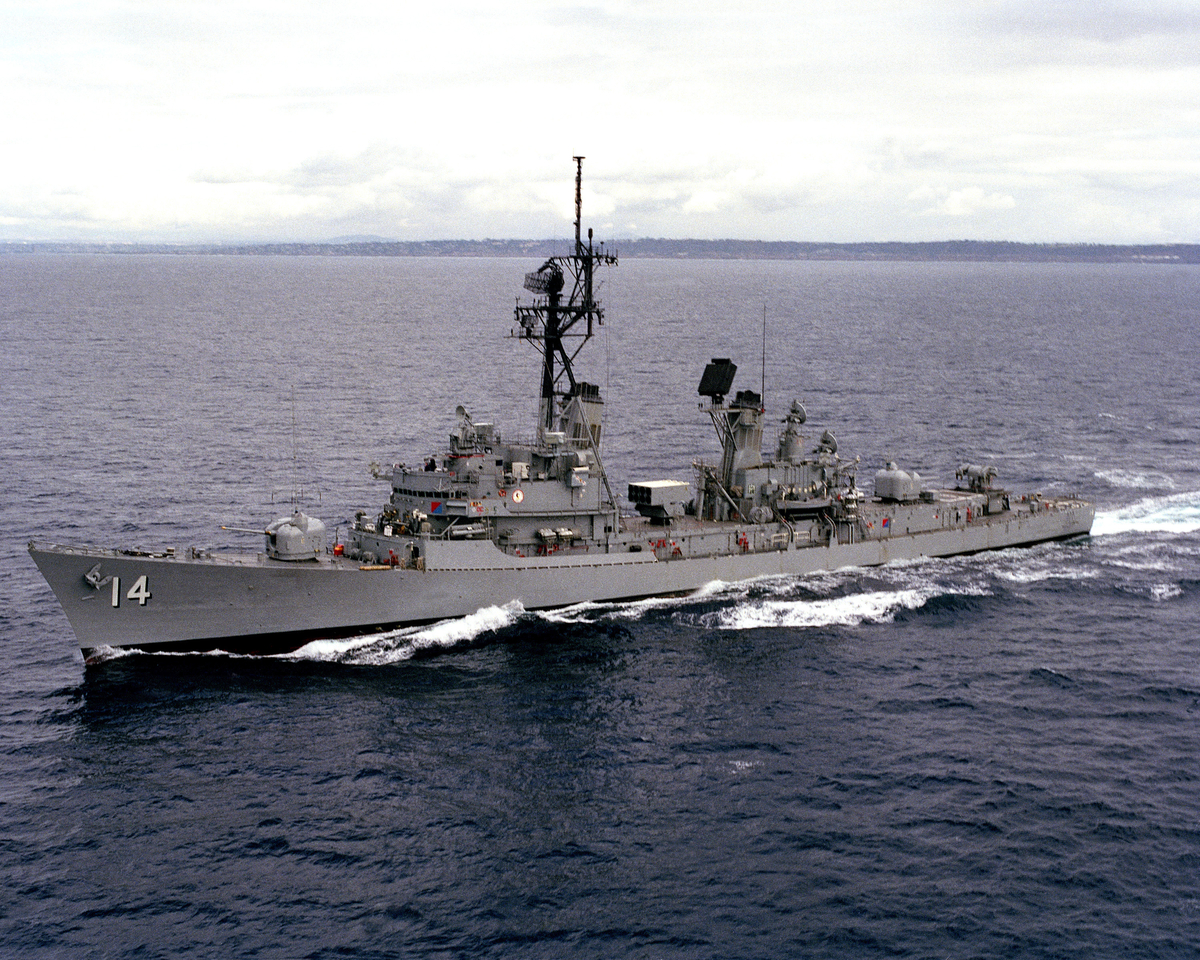
Refusal of American Warship Visit
New Zealand
Political
Global Trade
4 min read
Updated By: History Editorial Network (HEN)
Published:
Updated:
In 1985, New Zealand made a bold decision based on its anti-nuclear policy by refusing a visit from the American warship, the USS Buchanan. This action was a significant reflection of New Zealand's strong stance against nuclear weapons and power. The refusal came amidst the tensions of the Cold War era and demonstrated the country's commitment to its nuclear-free legislation.
The event had a significant impact on the diplomatic relations between New Zealand and the United States. The refusal of the USS Buchanan's visit strained the alliance between the two countries, leading to the enactment of the United States placing restrictions on its military relations with New Zealand. This decision caused a rift in the previously close ties between the two nations, as the United States viewed New Zealand's anti-nuclear stance as a hindrance to their military cooperation.
The refusal of the American warship also sparked domestic debates within New Zealand regarding its foreign policy and its stance on nuclear weapons. The event highlighted the importance of New Zealand's independence and sovereignty in making decisions that aligned with its values and principles, despite the potential consequences on international relations.
This event underscored the significance of New Zealand's commitment to nuclear disarmament and its dedication to promoting peace and security on a global scale. The refusal of the USS Buchanan's visit showcased New Zealand's leadership in advocating for a world free of nuclear weapons and its determination to uphold its anti-nuclear principles, even in the face of political pressure.
#NewZealand #AntiNuclear #USSBuchanan #Diplomacy #ColdWar
Explore the Life Moments of
 AI Twin