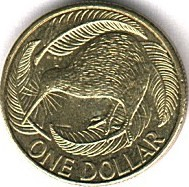
Phasing Out One- and Two-Cent Coins
New Zealand
Economic Downturn
Business
3 min read
Updated By: History Editorial Network (HEN)
Published:
In April 1990, New Zealand made the decision to phase out one- and two-cent coins from circulation. The decision was based on the declining purchasing power of these coins due to inflation, as well as the high cost of production.
The one- and two-cent coins were becoming increasingly redundant in everyday transactions, with many businesses and consumers opting to round prices to the nearest five cents. This led to a decrease in the demand for these small denomination coins, further supporting the decision to remove them from circulation.
The phasing out of the one- and two-cent coins had a positive impact on the economy by reducing production costs for the Reserve Bank of New Zealand. It also simplified cash transactions for businesses and consumers, making payments more efficient and streamlined.
Overall, the removal of the one- and two-cent coins reflected the country's commitment to modernizing its currency system in response to changing economic trends and consumer behaviors.
#NewZealand #Currency #Modernization #Efficiency #Economy

Explore the Life Moments of
 AI Twin