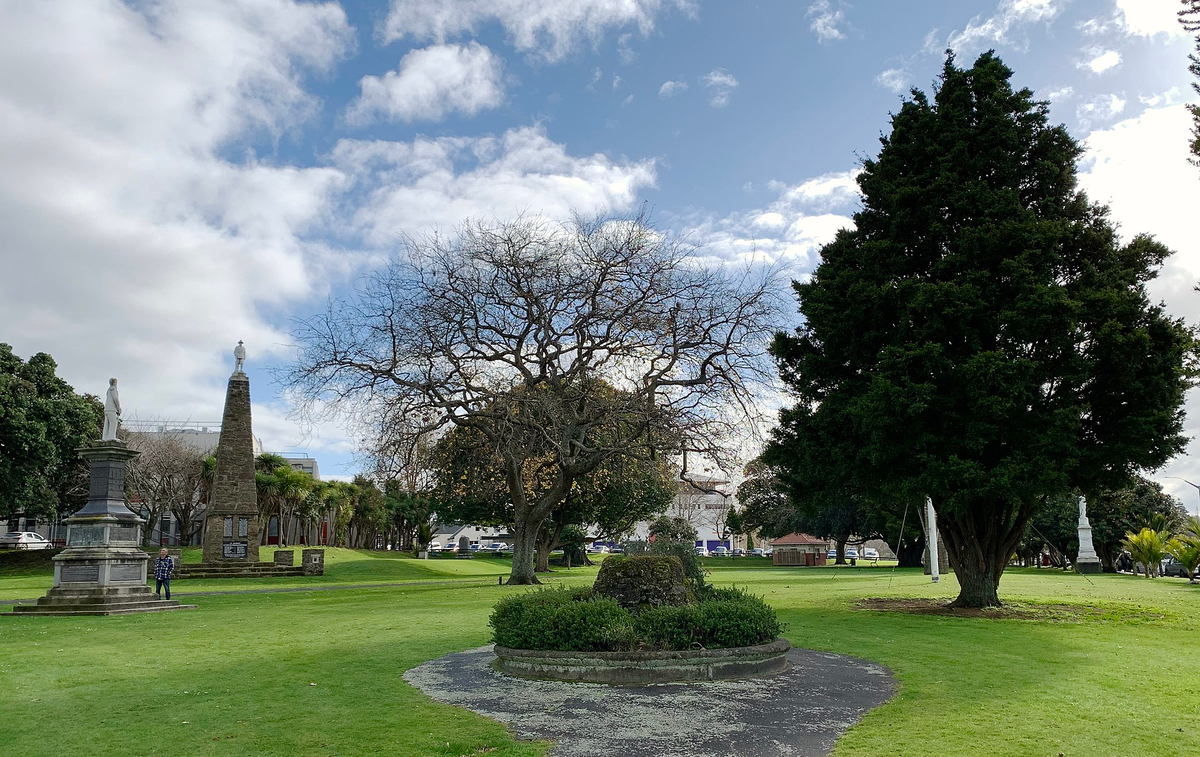
Occupation of Moutoa Gardens
New Zealand
Political
CulturalHeritage
4 min read
Updated By: History Editorial Network (HEN)
Published:
Updated:
The Occupation of Moutoa Gardens in Wanganui, New Zealand, was a significant event that revolved around the land rights of the indigenous Maori people. The Moutoa Gardens, also known as Pākaitore, held historical and cultural importance to the local Maori community.
The occupation was a peaceful protest organized by Maori activists to reclaim their land and assert their sovereignty. The demonstrators sought to bring attention to the unresolved land disputes and injustices faced by the Maori people. The occupation of Moutoa Gardens highlighted the ongoing struggle for indigenous rights and recognition in New Zealand.
The event sparked national debate and drew attention to the issues of land ownership, treaty rights, and the relationship between the Maori community and the government. It also brought to light the cultural significance of places like Moutoa Gardens and the need to protect and preserve them for future generations.
The occupation eventually ended after negotiations between the protesters and the authorities, leading to discussions on addressing the underlying issues that led to the protest. It served as a catalyst for change and raised awareness about the need for reconciliation and mutual respect between different cultural groups in New Zealand.
The Occupation of Moutoa Gardens underscored the importance of recognizing and honoring indigenous perspectives, histories, and rights. It marked a pivotal moment in the ongoing journey towards understanding and reconciliation between the Maori people and the wider New Zealand society.
#MoutoaGardens #MaoriRights #LandDisputes #CulturalHeritage #Reconciliation

Explore the Life Moments of
 AI Twin