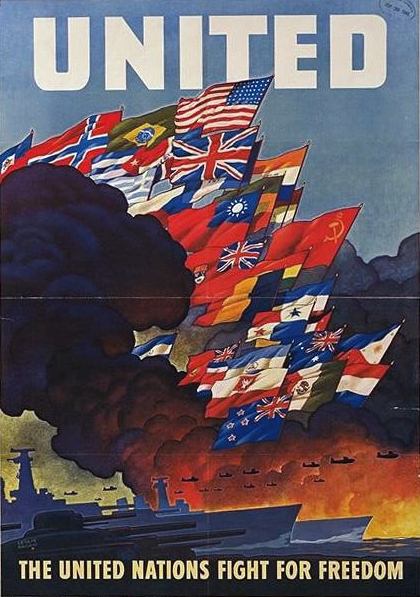
New Zealand joins United Nations charter.
New Zealand
Global Trade
Political
4 min read
Updated By: History Editorial Network (HEN)
Published:
Updated:
In 1945, New Zealand became a signatory to the United Nations charter, a pivotal moment in the country's history. This decision reflected the nation's commitment to promoting peace, security, and international cooperation following the end of World War II. By signing the charter, New Zealand demonstrated its willingness to work with other nations towards common goals and shared values.
The signing of the United Nations charter had a profound impact on New Zealand's foreign policy and diplomatic relations. It reinforced the country's dedication to multilateralism and its belief in the importance of international institutions in maintaining global peace and stability. Through its participation in the United Nations, New Zealand had a platform to engage with other nations on various issues, ranging from human rights and environmental conservation to security and development.
Being part of the United Nations also provided New Zealand with the opportunity to contribute to global decision-making processes and initiatives. The country could lend its voice to discussions on international affairs, advocate for its interests on the world stage, and collaborate with other member states to address complex challenges facing the international community.
The signing of the United Nations charter marked a new chapter in New Zealand's engagement with the international community, shaping its foreign policy priorities and approach to global issues. It underscored the country's role as a responsible and active member of the international community, committed to upholding the principles and objectives of the United Nations charter.
#NewZealand #UnitedNations #InternationalCooperation #GlobalSecurity #Multilateralism
Explore the Life Moments of
 AI Twin