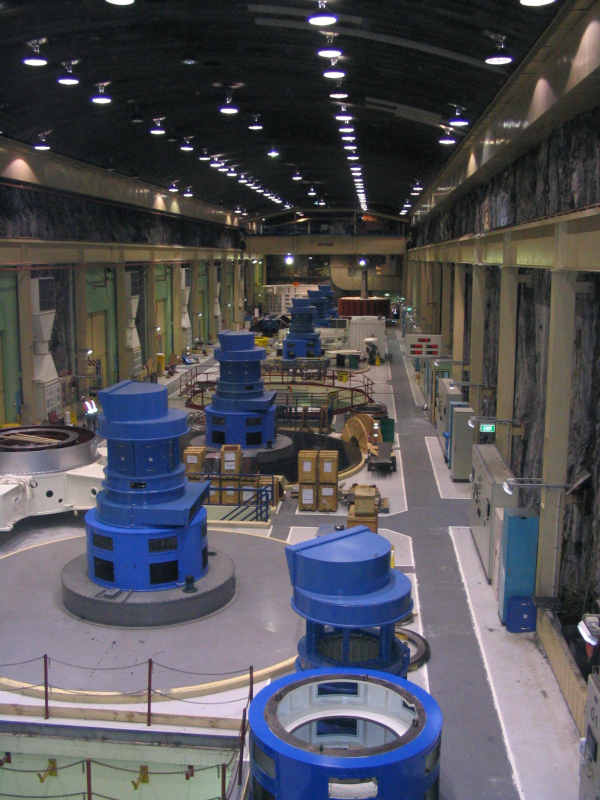
Manapouri Power Station was completed in New Zealand.
New Zealand
Technology
Environmental Conservation
4 min read
Updated By: History Editorial Network (HEN)
Published:
Updated:
In 1971, the Manapouri Power Station was completed in New Zealand. The power station is situated in a remote location in Fiordland National Park, surrounded by breathtaking natural landscapes. It was constructed to harness the power of Lake Manapouri and its connecting West Arm, utilizing the water's hydraulic potential to generate electricity.
The construction of the power station was a monumental engineering feat, with workers facing challenges due to the isolated location and difficult terrain. The project involved excavating tunnels through solid rock to connect the lake to the power station, where turbines converted the water's energy into electricity. The power station's construction also sparked controversy due to environmental concerns, leading to the formation of the Save Manapouri Campaign, a pivotal moment in New Zealand's environmental history.
Upon its completion, the Manapouri Power Station had a significant impact on New Zealand's energy landscape. It provided a substantial boost to the country's electricity generation capacity, helping to meet the growing demand for power. The station also played a crucial role in the development of the surrounding region, supporting industries and communities that depended on a stable source of electricity.
The completion of the Manapouri Power Station marked a new chapter in New Zealand's energy sector, showcasing the country's ability to harness its natural resources for sustainable development. It highlighted the balance between energy needs and environmental conservation, setting a precedent for future projects. The power station stands as a testament to human ingenuity and the power of collaboration in achieving ambitious goals.
#ManapouriPowerStation #NewZealandEnergy #EnvironmentalConservation #HydropowerDevelopment

Explore the Life Moments of
 AI Twin